

By Julius Peter, Abuja
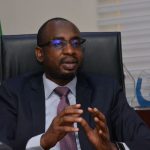
The Director-General and Chief Executive Officer of the Nigerian Meteorological Agency (NiMet), Professor Charles Anosike, has been elected President of the Board of Governors of the African Centre of Meteorological Applications for Development (ACMAD) for a four-year term.
Anosike’s election took place on Thursday, September 10, 2026, in Cotonou, Benin Republic, during the 24th Ordinary Session of the ACMAD Board of Governors, held alongside the 22nd African Climate Outlook Forum (ACCOF22).
His emergence as president of the continental meteorological body is being seen as a significant recognition of Nigeria’s growing role in advancing weather, climate and environmental services across Africa.
As President of the ACMAD Board of Governors, Professor Anosike is expected to provide strategic leadership towards strengthening the governance of the Centre, deepening institutional partnerships and enhancing the delivery and application of climate services for sustainable socio-economic development across the continent.
The position will also place him at the forefront of efforts to promote stronger collaboration among African meteorological and hydrological institutions, particularly at a time when countries across the continent are facing increasing risks from extreme weather events, climate variability and climate change.
Under his leadership, ACMAD is expected to continue strengthening the use of meteorological and climate information to support decision-making in key sectors, including agriculture, water resources, disaster risk reduction, health, energy, transport and infrastructure.
His election comes against the backdrop of growing continental and global efforts to ensure that African countries have the capacity to anticipate, prepare for and respond effectively to weather- and climate-related hazards.
The development is particularly significant in the context of the United Nations Early Warnings for All (EW4All) initiative, which seeks to ensure that people worldwide are protected by early warning systems against hazardous weather, water and climate events.
For Africa, effective early warning systems remain critical to reducing loss of lives and livelihoods, protecting infrastructure and strengthening the resilience of vulnerable communities.
Anosike’s new responsibility is therefore expected to contribute to efforts aimed at improving the generation, interpretation and dissemination of reliable weather and climate information, while ensuring that such information is translated into practical services that can support governments, businesses, communities and other stakeholders.
His election also reinforces NiMet’s strategic position within Africa’s meteorological community and reflects Nigeria’s commitment to supporting continental cooperation in weather and climate services.
NiMet has continued to play a central role in providing meteorological information for national planning, aviation, agriculture, disaster management and other sectors of the Nigerian economy.
The agency’s engagement at the continental level is also expected to provide opportunities for stronger partnerships, knowledge exchange, technical cooperation and innovation among African meteorological institutions.
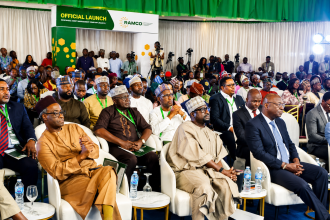
The ACMAD Board of Governors meeting in Cotonou brought together members of the Board as well as key institutional partners to review the progress of the Centre and strengthen its strategic direction and governance.
The high-level opening session featured the Director-General of ACMAD, Dr. Ousmane Ndiaye; Vice-President of the ACMAD Board and Director of Niger Meteorological Services, Dr. Adamou Aïssatou Sitta; Director of the African Union Commission (AUC) Department of Sustainable Environment and Blue Economy (SEBE), Mr. Harsen Nyambe; and Benin’s Minister of Living Environment and Transport in charge of Sustainable Development, H.E. Georges Alé.
The participation of senior officials from ACMAD, the African Union and national meteorological authorities underscores the importance attached to strengthening Africa’s capacity to manage climate-related risks and harness weather and climate information for development.
The 22nd African Climate Outlook Forum, held in conjunction with the ACMAD Board meeting, further provided a platform for stakeholders to examine climate outlooks and strengthen coordination around climate information and services.
Anosike’s four-year tenure is expected to focus on consolidating institutional governance, expanding productive partnerships and promoting more effective climate services that respond to Africa’s development priorities.
His election is also expected to strengthen Nigeria’s voice in continental discussions on climate resilience, early warning systems and the application of meteorological science to sustainable development.
With extreme weather events increasingly posing threats to communities, food security, infrastructure and economic activities across Africa, stakeholders say stronger regional cooperation and access to timely and reliable climate information remain essential.
The new ACMAD leadership under Anosike is therefore expected to contribute to building a more coordinated continental approach to weather and climate risk management, while supporting efforts to protect lives and property and foster resilient and sustainable African economies.