

By Julius Peter, Abuja
The Executive Director of the Rural Electrification Fund (REF), Engr. Doris Uboh, has described the establishment of the Renewable Asset Management Company (RAMCO) as a long-overdue initiative capable of transforming the maintenance and sustainability of renewable energy infrastructure across Nigeria.
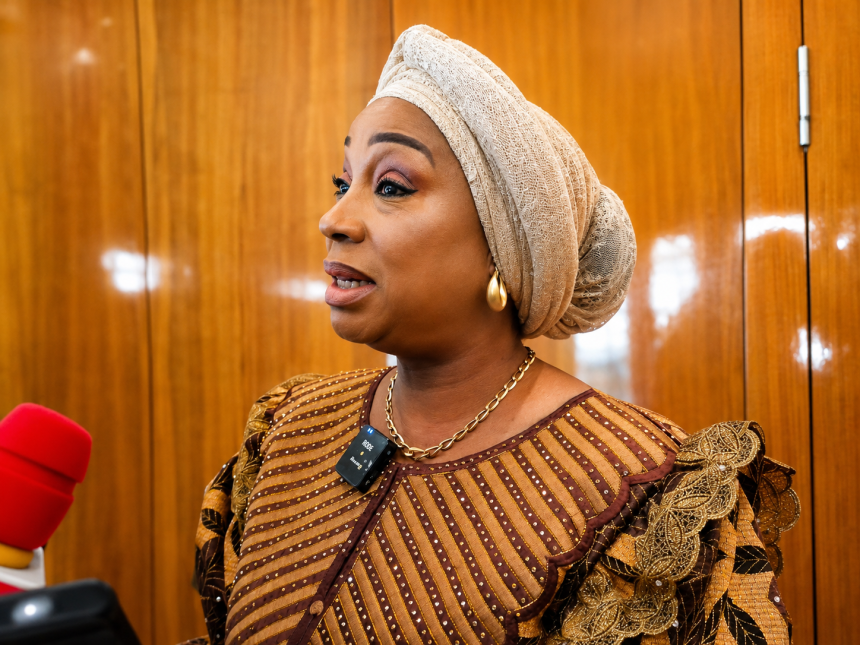
Uboh made the assertion while speaking with journalists at the official launch of RAMCO, held under the theme, “Powering Sustainable — Launching Nigeria’s Renewable Asset Management Company.”
She said the creation of RAMCO represented an important step towards establishing a strong maintenance culture for renewable energy assets deployed across the country, noting that the initiative should have been introduced decades ago.
According to her, the launch marked the beginning of a new approach to managing renewable energy infrastructure and ensuring that investments made in the sector continue to deliver benefits to Nigerians over the long term.
«“RAMCO is long time coming. It is something that we could have done 50 years ago, but this is the beginning of maintenance culture. RAMCO is very important,” Uboh said.»
She stressed that the sustainability of renewable energy projects goes beyond the installation of equipment, explaining that proper maintenance, asset management and long-term planning are critical to ensuring that infrastructure remains functional and continues to serve its intended purpose.
The REF Executive Director noted that Nigeria had made significant investments in renewable energy infrastructure in recent years, particularly in efforts to expand electricity access to underserved and unserved communities. She, however, emphasised that protecting those investments through effective asset management was equally important.
Uboh explained that the establishment of RAMCO would help address some of the challenges associated with the management and maintenance of renewable energy assets, while promoting efficiency, accountability and sustainability in the sector.
She said the initiative would also contribute to strengthening confidence in Nigeria’s renewable energy ecosystem by ensuring that infrastructure established through government and private-sector investments is properly managed throughout its operational life.
The launch of RAMCO attracted a broad range of stakeholders in Nigeria’s energy and public sector, including ministers and senior officials from different ministries, vice-chancellors and representatives of various universities, development partners, energy-sector professionals, renewable energy practitioners and other stakeholders.
The gathering underscored the growing importance of renewable energy to Nigeria’s electricity future, particularly as the country continues to explore alternative sources of power to complement conventional electricity generation.
Stakeholders at the event highlighted the need for stronger collaboration among government institutions, academic institutions, private-sector operators, development organisations and communities to ensure that renewable energy projects are effectively implemented and sustainably managed.
The establishment of RAMCO is expected to strengthen Nigeria’s capacity to manage renewable energy assets, particularly those deployed under rural electrification and other clean-energy initiatives.
With renewable energy increasingly becoming an important component of Nigeria’s strategy for expanding electricity access, experts and stakeholders have continued to stress that maintenance and efficient asset management must remain central to the country’s energy transition.
The launch therefore represents not only the introduction of a new company but also a significant step towards institutionalising a culture of preventive maintenance and responsible management of renewable energy infrastructure.
For Uboh, the success of Nigeria’s renewable energy investments will ultimately depend on the country’s ability to protect, maintain and optimise the assets already deployed.
She described RAMCO as an important foundation for achieving that objective, expressing optimism that the initiative would help ensure that renewable energy infrastructure continues to provide reliable and sustainable electricity for communities across the country.
The event ended with renewed calls for greater cooperation among relevant government agencies, universities, industry players and other stakeholders to build a more resilient and sustainable renewable energy sector capable of supporting Nigeria’s development objectives.