
By Julius Peter, Abuja
Former Senate President and Senator representing Yobe North, Ahmad Ibrahim Lawan, has said the Petroleum Industry Act (PIA) 2021 has provided the foundation for renewed stability, investor confidence and increased investment in Nigeria’s oil and gas industry.
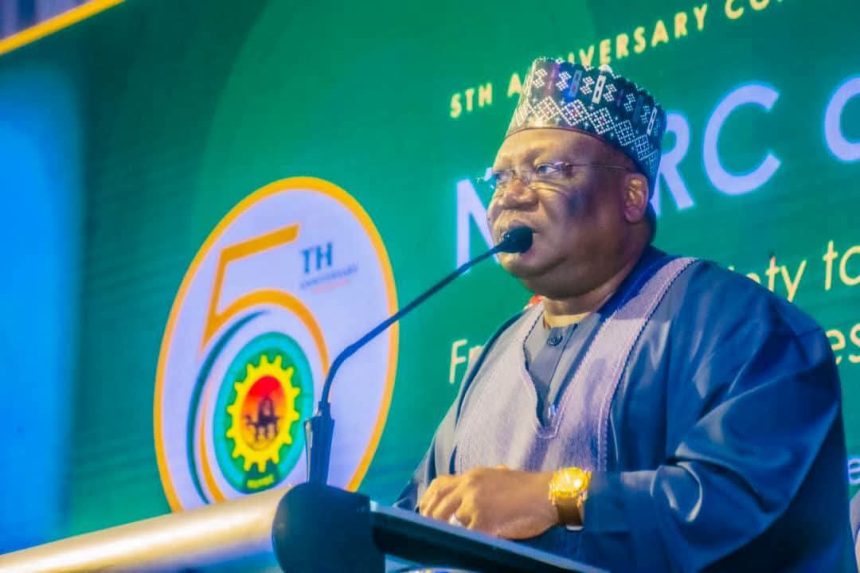
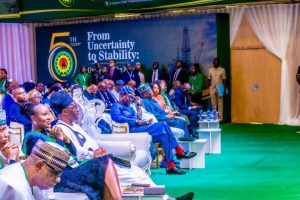
Lawan made the assertion while reflecting on the fifth anniversary celebration of the Nigerian Upstream Petroleum Regulatory Commission (NUPRC), held under the theme, “From Uncertainty to Stability: Unlocking the Next Phase of Investments.”
The former Senate President, who attended the anniversary ceremony, said the event provided an opportunity to assess the progress recorded in the upstream petroleum sector since the enactment of the PIA and to examine the opportunities available for attracting a new wave of investments into the industry.
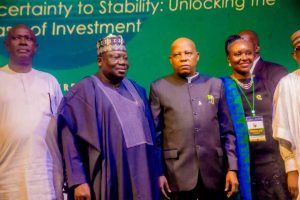
He said he was honoured to participate in the event alongside Vice President Kashim Shettima, who represented President Bola Ahmed Tinubu, as well as the Minister of State for Petroleum Resources (Oil), Senator Heineken Lokpobiri, NUPRC Board Chairman, Senator Magnus Abe, and other stakeholders in the petroleum industry.
Lawan recalled that five years ago, the Ninth National Assembly, under his leadership as Senate President, passed the Petroleum Industry Act 2021 after years of legislative efforts to reform Nigeria’s petroleum industry.
According to him, the legislation ended nearly two decades of legislative gridlock over comprehensive petroleum sector reform and established a new regulatory framework intended to bring greater clarity, predictability and accountability to the industry.
He said the creation of the NUPRC under the PIA was particularly significant because it provided the upstream sector with a dedicated regulatory institution designed to operate with greater clarity and independence.
“Five years ago, the 9th National Assembly, under my leadership as Senate President, passed the Petroleum Industry Act (PIA) 2021,” Lawan said.
“That legislation ended about two decades of legislative gridlock and created the NUPRC to regulate our upstream sector with clarity and independence.”
The former Senate President said the PIA had helped establish clear rules for investors while providing a more predictable framework for oil and gas operations.
He also highlighted the importance of provisions relating to host communities, noting that the legislation created a framework through which communities hosting petroleum operations could have a greater stake in the resources beneath their land.
Lawan said the developments recorded in the sector since the implementation of the PIA were encouraging, particularly the reported improvement in Nigeria’s attractiveness as a destination for oil and gas investments.
He noted that Nigeria had been ranked Africa’s leading destination for oil and gas investment for two consecutive years, describing the development as an indication of growing investor confidence in the country’s petroleum sector.
He also pointed to significant improvements in oil production, saying increased output, alongside ongoing regulatory and fiscal reforms, demonstrated that the country was beginning to realise some of the benefits of the reforms introduced through the PIA.
Another development highlighted by the former Senate President was the Deep Offshore Oil and Gas Project Incentive Tax Remission Order 2026, which he said was designed to unlock as much as $50 billion in new investments in the Nigerian petroleum industry.
Lawan described the potential investment as a significant opportunity for Nigeria to deepen exploration and production activities, expand government revenue and strengthen the country’s position in the global energy market.
He said the developments represented the dividends of what he described as “courageous legislation and consistent implementation,” stressing that legislation could only achieve its intended objectives when supported by effective implementation and strong institutions.
The former Senate President congratulated the Commission Chief Executive of the NUPRC, Mrs. Oritsemeyiwa Eyesan, the commission’s management and governing board, the Ministry of Petroleum Resources and other stakeholders for the progress recorded since the establishment of the regulatory institution.
He said the progress achieved so far demonstrated that the foundation created by the PIA was solid, but urged stakeholders to ensure that the next phase of reforms and investments was pursued with the same commitment to integrity, transparency and accountability.
“The foundation is solid. Now, the next phase of investments must be unlocked with the same integrity and transparency,” he said.
Lawan’s comments come at a time when the Federal Government and petroleum sector regulators are intensifying efforts to attract fresh capital into Nigeria’s upstream industry, particularly in deepwater and offshore developments.
The NUPRC has in recent months placed increased emphasis on creating a more predictable investment environment, accelerating project development, improving regulatory certainty and ensuring that Nigeria remains competitive in the global oil and gas market.
The commission’s fifth anniversary therefore provided an opportunity for stakeholders to review the transformation of the upstream regulatory environment since the enactment of the PIA and to chart a course for the next phase of growth.
The theme of the anniversary, “From Uncertainty to Stability: Unlocking the Next Phase of Investments,” reflects the industry’s shift from prolonged uncertainty over regulatory and fiscal frameworks towards efforts to create an environment capable of supporting long-term investment decisions.
For Nigeria, increased investment in the upstream sector remains critical to raising crude oil and gas production, expanding government revenues, creating employment opportunities and strengthening energy security.
Stakeholders have also continued to stress the need for regulatory consistency, transparency, efficient project approvals, competitive fiscal terms and stronger collaboration among government agencies, investors, host communities and industry operators.
The successful implementation of the PIA, they argue, remains central to achieving these objectives.
Lawan therefore called for sustained commitment to the reform process, noting that the progress made since the enactment of the PIA should serve as a foundation for attracting even greater investments into the sector.
He maintained that Nigeria must build on the gains already recorded by ensuring that investors have confidence in the regulatory environment and that the benefits of increased petroleum investment translate into broader economic development.
The former Senate President’s assessment reinforces the growing focus on moving Nigeria’s petroleum industry from reform and regulatory restructuring into a new phase of investment, production growth and economic expansion.
As the NUPRC marks five years of operation, stakeholders are expected to deepen efforts to consolidate the gains of the PIA while addressing remaining challenges capable of slowing investment and production in the country’s upstream petroleum sector.