
By Julius Peter, Abuja
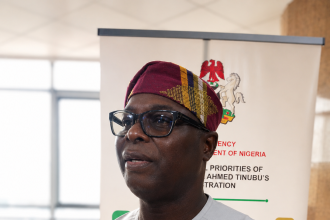
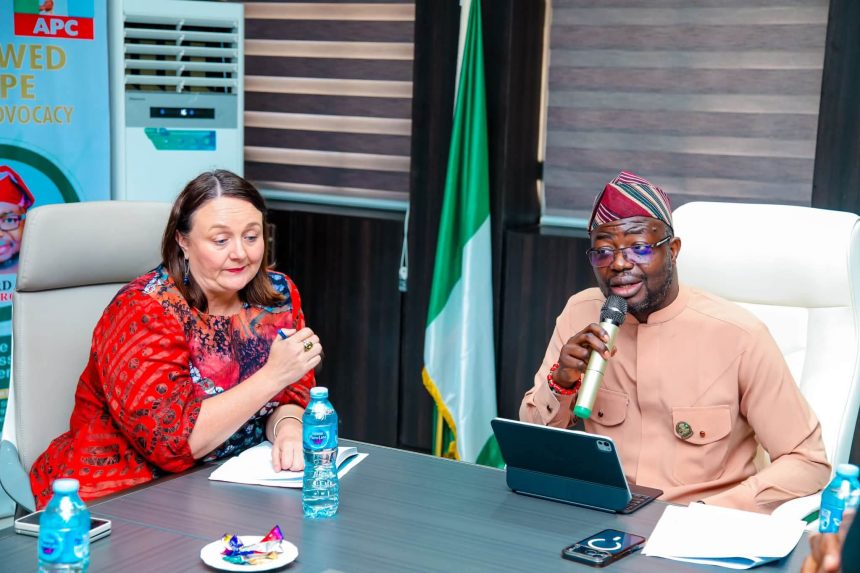
The Minister of Humanitarian Affairs and Poverty Reduction, Dr. Bernard M. Doro, has charged members of the newly inaugurated Humanitarian Transition Steering Committee to demonstrate commitment, dedication and a strong sense of urgency in delivering on their mandate ahead of Nigeria’s planned transition to a nationally led humanitarian response framework by January 1, 2027.
Doro gave the charge while addressing members of the committee following its inauguration, stressing the need for immediate action, effective coordination and collective responsibility to ensure a smooth and sustainable transition.
The minister said the committee’s assignment was critical to strengthening Nigeria’s capacity to take greater ownership of humanitarian interventions while ensuring that vulnerable citizens continue to receive the necessary assistance, protection and support.
He emphasised that the transition process required the active participation of all relevant ministries, departments, agencies and other stakeholders, noting that no single institution could successfully deliver the task without sustained collaboration.
Under the proposed arrangement, the Federal Ministry of Humanitarian Affairs and Poverty Reduction will provide leadership as Chair of the committee, while the Federal Ministries of Budget and Economic Planning and Finance will serve as Co-Chairs.

Doro said the involvement of the three key ministries was essential to ensuring proper coordination, adequate resource planning, financial sustainability and effective implementation of the transition process.
According to him, the committee must immediately deploy its collective expertise and experience to develop the necessary framework and strategies for achieving the January 1, 2027 commencement date.
“The work must begin now. Every member and stakeholder must bring their expertise, commitment and best efforts to the table,” the minister stressed.
He maintained that the success of the transition would depend largely on the willingness of committee members to work together, fulfil their responsibilities and prioritise the overall interest of Nigerians affected by humanitarian challenges
The minister further underscored the importance of ensuring that the transition does not create disruptions in the delivery of humanitarian services, particularly to vulnerable populations who depend on interventions for their welfare, safety and livelihood.
He noted that strengthening national ownership of humanitarian activities must go hand in hand with safeguarding the rights and interests of beneficiaries, ensuring that the transition delivers lasting institutional improvements.
The proposed phased transition, scheduled to commence on January 1, 2027, is expected to provide an opportunity for Nigeria to assume greater responsibility for the coordination and implementation of humanitarian programmes, with stronger national institutions and improved stakeholder collaboration.
Doro urged committee members to approach the assignment with seriousness and a shared sense of purpose, expressing the need for a coordinated process capable of laying a solid foundation for a more sustainable and nationally driven humanitarian system.
He reiterated the Federal Government’s commitment to ensuring that the transition strengthens the country’s humanitarian response capacity without compromising the protection and welfare of vulnerable Nigerians.
The minister called on all participating institutions and stakeholders to work collectively towards delivering a seamless transition, stressing that the responsibility rests on every member of the committee to translate the government’s objective into concrete results.