
By Julius Peter
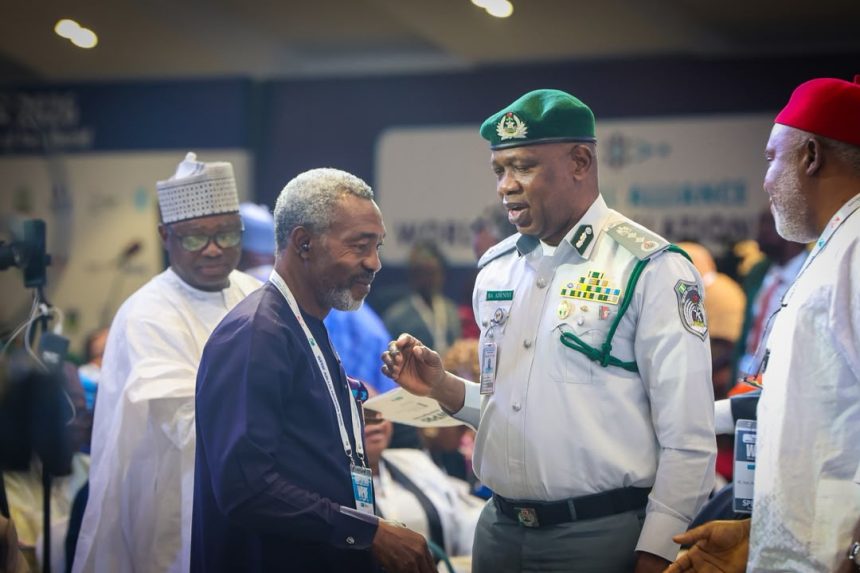
The Comptroller-General of the Nigeria Customs Service (NCS), Adewale Adeniyi, has said that international delegates attending the 2026 World Public Relations Forum (WPRF) in Abuja are leaving Nigeria with positive impressions, despite initial fears and negative perceptions about the country’s security situation.
Adeniyi said the firsthand experiences of the delegates, including their interactions with Nigerians and exposure to the country’s hospitality, were helping to challenge negative narratives about Nigeria and reshape international perceptions.
The Customs boss made this known during an interview on the opening day of the conference on November 16, where he observed that several foreign participants arrived in the country with apprehensions largely influenced by international media reports about insecurity, kidnapping and banditry.
According to him, such reports had created fears among some prospective participants, with concerns that visiting Nigeria could expose them to security risks, even immediately after arriving at the airport.
He, however, noted that the experiences of delegates who eventually made the trip had been largely positive, demonstrating the difference between perceptions formed from distant reports and realities encountered on the ground.
Adeniyi said: “What they want is to see or know about a country. So most of the time, a good number of them are always much more reasoned in terms of the insecurities in Nigeria, kidnapping and banditry.”
He explained that some people who might have been interested in attending the international gathering could have been discouraged by fears surrounding their personal safety in Nigeria.
However, he expressed satisfaction that delegates who had arrived and interacted with him were having remarkable experiences, adding that their personal encounters were giving them a more balanced understanding of the country.
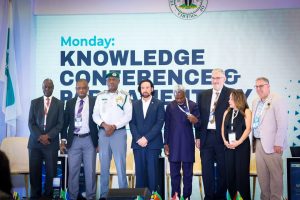
“All the delegates that I’ve spoken to, their experience has been very amazing,” he said.
The Comptroller-General stressed that international perceptions of countries should not be shaped exclusively by negative headlines, noting that security challenges and other social difficulties were not peculiar to Nigeria.
To illustrate his position, Adeniyi recounted an interaction with a delegate from Paris, who shared his experience of arriving in the French capital and making enquiries about a protest that had reportedly continued for five days.
According to Adeniyi, the delegate explained that despite the protest, it was not considered a major concern that would prevent people from visiting or going about their activities in the city.
He said the example demonstrated that the existence of security or social challenges in a country did not necessarily mean that the country should be avoided or defined entirely by such incidents.
Adeniyi noted that Paris remains one of the world’s most visited destinations despite occasional protests, demonstrations and other challenges, stressing that visitors continue to explore the city because they understand that no country is entirely free of difficulties.
He argued that Nigeria and other African countries should equally be given the opportunity to present their realities beyond the negative narratives that often dominate international discussions.
“So it’s also the same story with us in Nigeria, with us in Africa, that despite the challenges that we confront, everybody has this kind of challenge,” he said.
The Customs chief maintained that while Nigeria must continue to address its security and development challenges, such difficulties should not overshadow the country’s positive attributes, cultural diversity, hospitality, economic opportunities and human potential.
He further suggested that international events such as the World Public Relations Forum provide an important platform for Nigeria to engage the global community, strengthen relationships and allow visitors to experience the country beyond what they read or hear from external sources.
The positive feedback from delegates, he indicated, was an encouraging development capable of contributing to a change in the country’s international image.
Adeniyi’s remarks also highlight the important role of public relations and strategic communication in national image-building, particularly at a time when countries compete for international investment, tourism, partnerships and global recognition.
The WPRF provides an opportunity for Nigeria to communicate its identity, showcase its strengths and engage communication professionals and other stakeholders from different parts of the world.
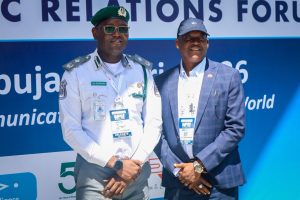
For Adeniyi, the most important outcome is that delegates who arrived with concerns are now leaving with personal experiences that could help correct misconceptions about Nigeria.
He expressed optimism that such encounters would contribute to a new narrative about the country, one based not solely on security concerns and negative reports but also on firsthand experiences, human interactions and the positive realities of life in Nigeria.
The Customs boss maintained that Nigeria, like other nations, has its challenges but should not be judged exclusively by them, insisting that personal experiences and direct engagement remain powerful tools for building understanding and changing perceptions.
He said the positive impressions being formed by international participants at the forum represented an encouraging beginning in the effort to project a more balanced and favourable image of Nigeria to the international community.