
By Julius Peter, Abuja
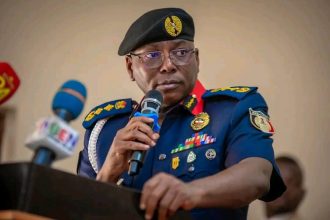
The Minister of Defence, General Christopher Gwabin Musa (Rtd), has reaffirmed the Federal Government’s commitment to preserving the history, legacy and sacrifices of the Economic Community of West African States Monitoring Group (ECOMOG), assuring veterans that Nigeria’s contributions to peacekeeping and regional stability in West Africa will not be forgotten.
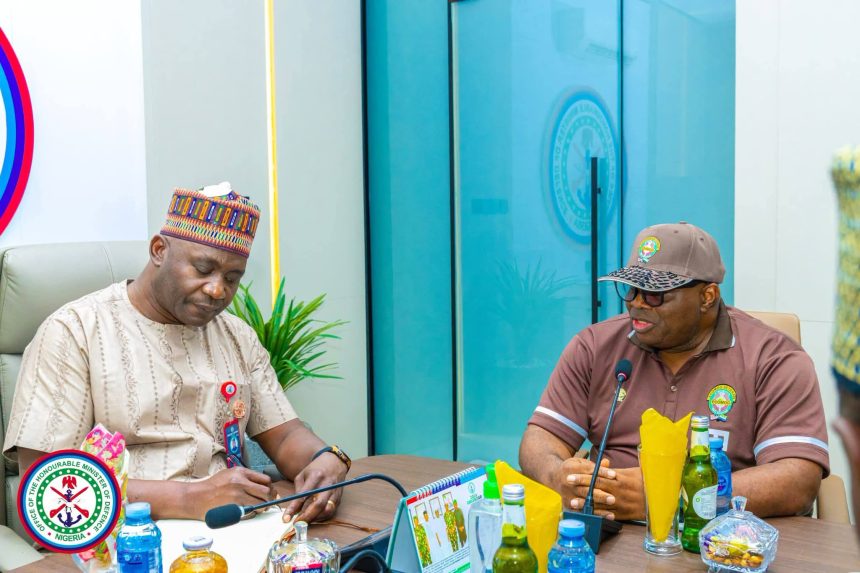
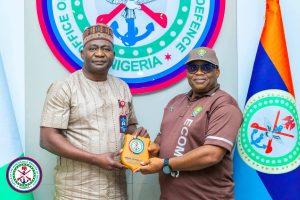
Musa gave the assurance when he received a delegation of ECOMOG veterans, led by retired Major General Ohifeme Ejimai, at the Ministry of Defence Headquarters in Abuja.
The delegation visited the ministry to brief the minister on the activities of the veterans’ group and its ongoing initiatives aimed at preserving the history of ECOMOG, recognising the contributions of Nigerian troops and ensuring that the sacrifices of personnel who served in the regional peacekeeping force are adequately documented.
The minister acknowledged the enormous human and financial resources Nigeria committed to ECOMOG operations, particularly during the conflicts in Liberia and Sierra Leone, where Nigerian troops played significant roles in efforts to restore peace, protect civilians and stabilise the affected countries.
He stressed that the sacrifices of Nigerian military personnel who lost their lives during the missions would remain an important part of the country’s military history.
According to him, the Federal Government is committed to ensuring that the contributions of the fallen heroes are properly documented and preserved for future generations.
Musa also assured the veterans that efforts to recover and document outstanding historical records, casualty information and other relevant assets associated with ECOMOG would be completed.
He emphasised the importance of preserving the historical records of the regional peacekeeping operations, noting that the experiences and sacrifices of Nigerian troops deserve recognition as part of the country’s contribution to regional peace and security.
The minister’s assurance is expected to strengthen ongoing efforts to document ECOMOG’s history and ensure that the service of Nigerian military personnel who participated in the operations receives appropriate national recognition.
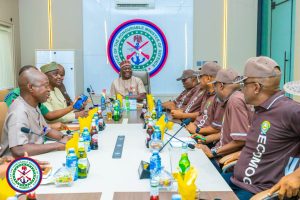
Earlier, the leader of the delegation, retired Major General Ohifeme Ejimai, briefed the minister on the status of surviving Nigerian ECOMOG veterans and their willingness to continue contributing to national development and security.
Ejimai highlighted the importance of preserving the experiences of veterans who participated in the regional peacekeeping missions, describing their contributions as an important chapter in Nigeria’s military and diplomatic history.
He called on the Ministry of Defence to address existing gaps in the documentation of ECOMOG operations, including records relating to personnel who served, those who lost their lives and other historical details necessary for preserving the mission’s legacy.
The retired general also urged the Federal Government to consider establishing a dedicated national remembrance day in honour of Nigerian troops who died during ECOMOG operations.
He said such a day would provide an opportunity for the country to recognise the hundreds of Nigerian military personnel who paid the supreme price in efforts to secure peace and stability in West Africa.
According to the veterans, a formal remembrance day would help preserve the memory of the fallen soldiers, recognise the contributions of surviving personnel and educate younger generations about Nigeria’s role in regional peacekeeping.
The proposed initiative would also provide an avenue for the country to reflect on the sacrifices made by Nigerian troops in protecting civilian populations and supporting peace efforts in countries affected by armed conflicts.
The veterans further expressed their readiness to contribute their experience and knowledge to contemporary national security efforts, particularly in areas where lessons from past peacekeeping operations could help strengthen military preparedness and regional cooperation.
Established in 1990 by the Economic Community of West African States (ECOWAS), ECOMOG was a regional military force created to respond to conflicts threatening peace and stability in West Africa.
The force became particularly prominent during the civil war in Liberia, where it undertook peacekeeping and peace-enforcement operations aimed at containing hostilities, protecting civilians and supporting efforts to restore stability.
Nigeria played a leading role in the establishment and operations of the force, contributing troops, military equipment, logistics, funding and leadership to the regional intervention.
The deployment represented a significant commitment by Nigeria to collective security and regional stability at a time when armed conflicts threatened the political and humanitarian conditions of neighbouring countries.
ECOMOG subsequently became involved in efforts to address the conflict in Sierra Leone, where its troops participated in operations aimed at restoring constitutional order and supporting efforts to stabilise the country.
The missions placed considerable demands on participating military personnel, who operated under difficult conditions characterised by armed confrontations, humanitarian emergencies and complex political circumstances.
Nigerian troops formed a major component of the regional intervention force, and their involvement reflected the country’s longstanding role in peacekeeping initiatives across Africa.
Beyond its military responsibilities, ECOMOG became an important expression of regional cooperation, demonstrating the willingness of West African countries to respond collectively to security crises within their subregion.
Its operations also generated important lessons about regional conflict management, military cooperation, peace enforcement and the challenges associated with restoring stability in countries affected by prolonged internal conflicts.
The renewed commitment by the Ministry of Defence to document ECOMOG’s history highlights the importance of maintaining accurate records of Nigeria’s military engagements beyond its national borders.
Military history experts and veterans have long emphasised the importance of documenting past operations to preserve institutional knowledge, recognise the service of personnel and provide lessons for future generations of military leaders.
For the ECOMOG veterans, preserving the mission’s history involves more than recording military operations. It also includes documenting the experiences of individual soldiers, identifying casualties, preserving relevant historical materials and ensuring that the contributions of surviving veterans are recognised.
The process of documenting casualties and other historical records is particularly significant for families seeking official recognition of relatives who died during the operations.
Accurate records can also help address historical gaps and ensure that the contributions of Nigerian troops are properly reflected in accounts of regional peacekeeping efforts.
The Ministry’s commitment to completing the documentation process therefore represents an important step towards preserving the country’s military heritage and recognising the human cost of its regional security engagements.
The proposed remembrance day, if adopted, could further reinforce these efforts by providing a formal occasion for honouring fallen personnel and recognising surviving veterans.
The legacy of ECOMOG remains relevant to discussions about peace, security and cooperation among West African countries.
The force demonstrated the capacity of regional institutions to mobilise military resources in response to major security emergencies, while also exposing the operational, financial and political challenges associated with multinational interventions.
For Nigeria, its involvement represented a substantial investment in regional stability and the protection of neighbouring populations affected by conflict.
The sacrifices made by Nigerian personnel during the missions continue to form part of the country’s broader history of military service and international peacekeeping.
The assurance by the Minister of Defence signals the government’s recognition of the need to preserve that history and ensure that the service of those who participated in the operations is not lost to time.
As the veterans continue to advocate better documentation, official recognition and a dedicated remembrance day, attention will remain on translating the government’s assurance into concrete measures for preserving ECOMOG’s historical records and honouring the fallen.
The meeting between Musa and the veterans has therefore renewed calls for a comprehensive national effort to document Nigeria’s role in ECOMOG, recognise the sacrifices of its personnel and pass the lessons of the regional peacekeeping missions to future generations.