
By Julius Peter
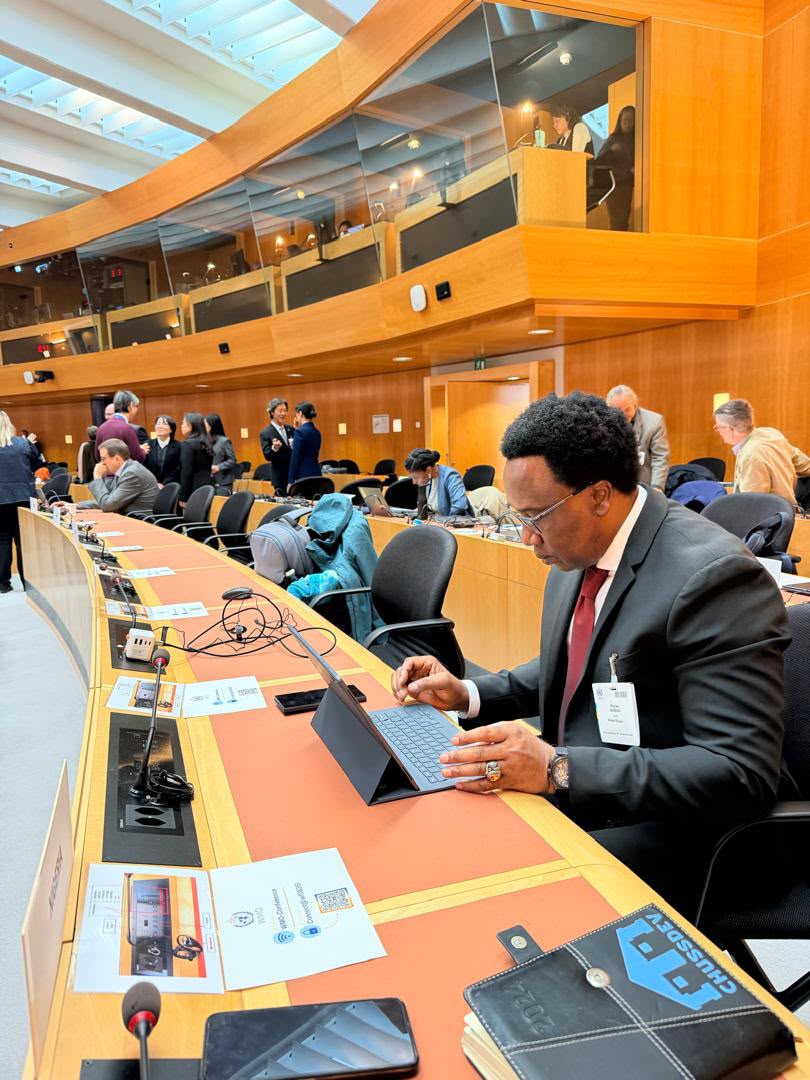
The Director-General and Chief Executive Officer of the Nigerian Meteorological Agency (NiMet), Prof. Charles Anosike, has joined meteorological experts and stakeholders from across the world in Geneva, Switzerland, for the fourth session of the Commission for Observation, Infrastructure and Information Systems (INFCOM) of the World Meteorological Organisation (WMO).
The week-long session, which commenced on Monday, November 23, 2026, is focused on strengthening the global meteorological infrastructure through improved observation systems, data generation and exchange, technical standards, emerging technologies and capacity development.
The meeting brings together specialists and representatives of WMO Member States to deliberate on critical issues affecting the quality, availability and reliability of weather, climate and other Earth system observations.
Discussions are expected to cover technical regulations, competency requirements, international standards and cooperation, as well as the development and maintenance of infrastructure supporting meteorological, hydrological and related services.
Other areas on the agenda include marine, hydrological and cryosphere data, data quality management, satellite systems, information and communication technology, artificial intelligence and machine learning.
The gathering is considered significant to countries around the world, including Nigeria, as the accuracy and reliability of weather forecasts and atmospheric predictions depend largely on the quality and quantity of observations collected from the Earth’s land surface, oceans and atmosphere.
Reliable observations provide the foundation for weather forecasting, climate monitoring, disaster preparedness and early warning services, making investment in meteorological infrastructure essential to protecting lives, property and economic activities.
On the first day of the session, participants examined several key initiatives designed to enhance the global observing and information systems coordinated by the WMO.
Among the issues discussed were the WMO Integrated Global Observing System (WIGOS), the expansion of the Global Basic Observing Network (GBON), improvements to the WMO Information System (WIS) and the framework of the WMO Integrated Processing and Prediction System (WIPPS).
The discussions also addressed capacity development among member countries, education and training in satellite meteorology, and competency requirements for professionals responsible for the installation, maintenance, calibration and operation of meteorological instruments.
The emphasis on technical competence and infrastructure development reflects the growing need for meteorological agencies to maintain reliable observation networks capable of supporting increasingly sophisticated forecasting systems.
As weather and climate-related risks continue to affect communities, agriculture, aviation, maritime operations, transportation and other sectors, the availability of accurate and timely meteorological information remains critical to national planning and sustainable development.
A major highlight of the session was the recognition of NiMet’s contribution to capacity development across the African continent.
At a side event devoted to capacity development, the agency’s specific role as a Peer Advisor in supporting other National Meteorological and Hydrological Services in improving observation infrastructure and service delivery was acknowledged.
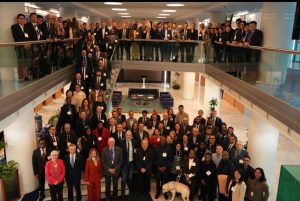
The recognition underscores NiMet’s growing contribution to regional cooperation and knowledge-sharing among meteorological institutions, particularly in strengthening technical capacity and improving the delivery of weather and climate information.
Through its peer advisory role, NiMet supports efforts to enhance the operational capabilities of other meteorological services, helping them improve their observation systems and provide more effective services to their respective countries.
The engagement in Geneva also provides an opportunity for Nigeria to participate in shaping international technical standards and policies that influence the development of meteorological infrastructure and the exchange of weather and climate data worldwide.
For Nigeria, improved observation infrastructure is particularly important in addressing weather-related challenges, including flooding, drought, extreme rainfall and other climate-sensitive risks that affect livelihoods, infrastructure and national economic activities.
The WMO INFCOM session is expected to further strengthen international collaboration in the development of modern observation systems, improve access to quality meteorological data and promote the adoption of emerging technologies in weather and climate services.
NiMet’s participation reflects Nigeria’s continued engagement with the global meteorological community and its commitment to strengthening weather observation, forecasting and service delivery through international cooperation, technical expertise and capacity development.