
By Julius Peter, Abuja
Renowned journalist and former presidential spokesman, Dr. Reuben Abati, has called on police managers to strengthen their communication skills and media engagement strategies as part of efforts to improve police-media relations and build greater public confidence in the Nigeria Police Force.
Abati made the call while delivering an insightful lecture titled “Managing Media Relations: Communication Skills for Police Managers” at the ongoing #CARSPO2026 programme.
The lecture focused on the critical role of effective communication in modern policing, particularly in an environment where the media remains a major channel through which members of the public receive information about security operations, police activities and developments affecting their communities.
Abati emphasised that effective media relations should be regarded as an essential component of professional policing rather than an auxiliary responsibility.
According to him, police managers need to understand how the media operates and develop the capacity to communicate clearly, accurately and responsibly when engaging journalists and the wider public.
He noted that the quality of communication between the police and the media can significantly influence public perception of the Force, especially during emergencies, security incidents and other sensitive situations.
The former presidential spokesman stressed the importance of providing timely and credible information, explaining that delays, inconsistencies or poorly communicated information could create room for speculation, misinformation and misunderstanding.
He encouraged police managers to cultivate professional relationships with journalists based on mutual respect, transparency and a shared understanding of the public interest.
Abati also highlighted the need for police officers responsible for media engagement to develop strong interpersonal and communication skills, including the ability to listen, respond to difficult questions, explain complex security issues in simple language and remain composed under pressure.
He further urged police managers to appreciate the changing nature of the media environment, particularly the growing influence of digital platforms and social media.
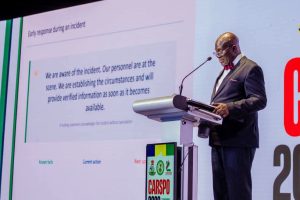
The rapid spread of information through social media, he observed, requires security institutions to be proactive in communicating with the public and responding promptly to false or misleading information.
Abati’s lecture underscored the fact that public trust is closely linked to how institutions communicate with citizens.
For the police, he noted, maintaining public confidence requires not only effective crime prevention and law enforcement but also openness, professionalism and credible communication with the people they serve.
He therefore encouraged police managers to see journalists as important stakeholders in public information and democratic accountability, while also recognising the professional responsibilities and ethical standards that guide the media.
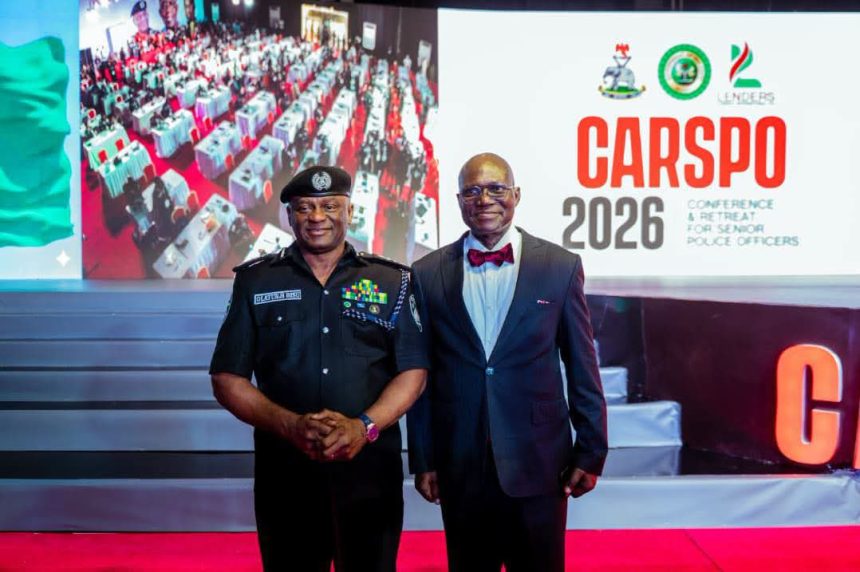
The lecture formed part of activities at #CARSPO2026, where issues relating to professional policing, leadership, institutional effectiveness and contemporary security challenges are being examined.
Participants were exposed to practical perspectives on how strategic communication can contribute to better understanding between the police and the media, while promoting accurate public information.
The engagement also highlighted the need for police managers to be adequately prepared to communicate during crises, when public demand for information is often at its highest.
Effective communication during such periods, Abati stressed, can help prevent unnecessary panic, manage public expectations and ensure that verified information reaches citizens through credible channels.
The session reinforced the broader importance of building institutional capacity within the police, particularly in the area of public communication.
As Nigeria continues to navigate complex security and social challenges, the ability of law enforcement institutions to communicate effectively with citizens and the media remains an important element of public confidence and institutional legitimacy.
Abati’s presentation therefore provided police managers with practical insights into the relationship between communication, media engagement and public trust, stressing that professional policing must be supported by equally professional communication.
The #CARSPO2026 programme continues to provide a platform for discussions on contemporary policing and leadership, with experts and practitioners sharing knowledge aimed at strengthening the capacity and effectiveness of security institutions.