
By Julius Peter, Abuja
Nigeria has called on global defence investors, technology innovators and African security partners to explore investment opportunities in the country’s defence industry, as the Federal Government announced plans to commence massive local production of defence hardware within the next one year.
President Bola Ahmed Tinubu made the call at the opening ceremony of the maiden Africa International Defence Exhibition (AFRIDEX 2026), which commenced on Monday, October 26, at Eko Atlantic City, Lagos, and is scheduled to run until October 30.
The President, represented by the President of the Senate, Senator Godswill Akpabio, said Nigeria was ready to establish defence partnerships founded on mutual trust, respect and shared values to address emerging security threats across Africa.
The exhibition brings together defence stakeholders, government representatives, military officials, industry players and strategic partners from more than 20 African countries to explore opportunities for cooperation, technological advancement and investment in the defence sector.
Tinubu said the growing complexity and interconnected nature of contemporary security challenges made it imperative for African countries to strengthen cooperation and embrace innovations capable of improving their defence capabilities.
He also called on global innovators in artificial intelligence (AI) and other emerging technologies to partner with Nigeria in developing practical solutions to the continent’s security challenges.
According to the President, peace and stability remain essential foundations for economic development, institutional credibility and a secure future for the African people.
He stressed that those entrusted with maintaining peace must take necessary measures to preserve it, while ensuring that African countries do not ignore changing trends in military equipment, personnel training and international defence cooperation.
The President emphasised that Nigeria’s participation in international defence cooperation would be guided by mutual respect, shared values and the pursuit of tangible benefits for the country and its partners.
He noted that effective partnerships should go beyond formal agreements to produce measurable improvements in security preparedness, technological innovation and the capacity of local industries.
Tinubu also highlighted the potential of Nigeria’s young population, noting that talented young people needed opportunities to develop their skills, contribute to innovation and participate meaningfully in the country’s economic and technological advancement.
He urged participants at AFRIDEX 2026 to use the exhibition as an opportunity to exchange knowledge, hold bilateral discussions, sign memoranda of understanding (MoUs) and explore investment opportunities in Nigeria’s defence sector.
The President said the engagements should translate into practical outcomes that would strengthen national and continental security.
“Let the partnerships formed here strengthen our readiness. Let the knowledge exchanged here inspire our innovators. And let the commitments made here produce tangible results that our people can see and experience,” he said.
The President’s remarks underscored the Federal Government’s intention to use the exhibition to attract strategic investments and deepen cooperation with countries and organisations interested in developing Nigeria’s defence industrial capacity.
In his address, the Minister of Defence, General Christopher Gwabin Musa (Rtd), OFR, urged local and international investors to take advantage of the opportunities presented by AFRIDEX 2026 to invest in Nigeria’s defence industry.
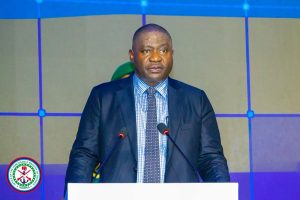
Musa disclosed that Nigeria planned to commence massive local production of defence hardware within the next one year, with products intended to meet domestic requirements and supply other countries, particularly across Africa.
The proposed production drive is expected to place greater emphasis on strengthening indigenous defence manufacturing capabilities and expanding Nigeria’s participation in the regional defence industrial market.
The minister’s announcement signals the Federal Government’s ambition to increase domestic capacity to manufacture defence equipment and reduce dependence on external sources for some military hardware.
However, the ministry’s statement did not specify the categories of equipment to be produced, the investment commitments secured so far or the production facilities expected to commence operations within the announced timeframe.
Musa encouraged participating countries, manufacturers and other strategic stakeholders to consider investment opportunities that could support the development of Nigeria’s defence industry.
He also noted that the exhibition’s side engagements would provide opportunities to strengthen bilateral and multilateral relationships among defence establishments, government representatives, industry stakeholders and other strategic partners.
According to him, these engagements would facilitate discussions on areas of common interest and promote cooperation in addressing the security challenges confronting Nigeria and other African countries.
The planned expansion of local defence production is also expected to create opportunities for technology transfer, technical training, industrial development and the participation of Nigerian companies in defence-related manufacturing.
The Minister of State for Defence, Dr. Bello Muhammad Matawalle, MON, described AFRIDEX 2026 as a dynamic platform capable of achieving the objectives for which it was established.
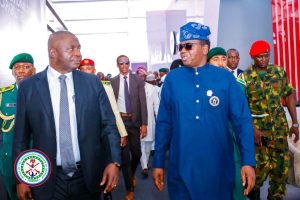
He said the exhibition provided an opportunity for stakeholders to engage on issues affecting defence development while exploring ways to strengthen cooperation among participating countries and industry players.
The gathering is expected to facilitate exchanges on defence technologies, industrial capabilities and the development of partnerships that could support the modernisation of African defence sectors.
The participation of government officials, military representatives, manufacturers and international partners also offers an avenue for discussing the relationship between technological innovation, industrial development and national security.
In their goodwill messages, the Lagos State Government and the ECOWAS Commission expressed optimism that AFRIDEX 2026 would provide an inclusive platform for African countries to strengthen and revitalise their defence industries.
The Lagos State Governor was represented at the event by his deputy, Dr. Obafemi Hamzat, while Mr. Birame Diop represented the ECOWAS Commission.
Their messages highlighted the importance of cooperation in developing the capabilities required by African countries to respond to evolving security threats.
The exhibition provides a platform for participating countries to examine opportunities for collaboration, exchange experiences and identify areas where partnerships could improve defence preparedness and industrial capacity.
For West Africa, such engagements could support wider discussions on regional security cooperation, the development of indigenous defence technologies and the role of local industries in meeting the equipment needs of security agencies.
The involvement of the ECOWAS Commission also reflects the regional dimension of the exhibition, particularly at a time when security challenges increasingly require coordinated responses across national borders.
The Director-General of the Defence Industries Corporation of Nigeria (DICON), Major General B. I. Alaya, commended President Tinubu for his continued support for the corporation and pledged to enhance its production capacity.
DICON occupies an important place in Nigeria’s efforts to develop indigenous defence manufacturing capabilities and strengthen the country’s capacity to meet military equipment requirements through domestic production.
The corporation’s commitment to improving production capacity aligns with the Federal Government’s stated ambition to expand local defence manufacturing and establish Nigeria as a supplier of selected defence products to other African countries.
Increased production capacity would require sustained investment, appropriate technology, skilled personnel, research and development, and effective collaboration between government institutions and private-sector manufacturers.
AFRIDEX 2026 is expected to provide an opportunity for DICON and other relevant stakeholders to engage prospective investors and explore partnerships that could support the growth of Nigeria’s defence industrial base.
The success of the proposed production expansion will depend on the practical implementation of investment agreements, the availability of manufacturing infrastructure and the ability of local producers to meet established operational and quality standards.
Following the opening ceremony, the Minister of Defence inspected exhibition stands featuring defence products and technologies from participating countries.
He also held an executive meeting with the United States Africa Command (AFRICOM), although the ministry’s statement did not provide details of the discussions or disclose any agreements reached.
The meeting formed part of the engagements surrounding the exhibition, which is designed to facilitate interaction among Nigeria, international defence partners and industry stakeholders.
Such engagements provide opportunities to discuss areas of mutual interest in defence cooperation, technology development, training and security preparedness.
However, further details would be required to establish the specific outcomes of the meeting and whether any new initiatives or commitments emerged from the discussions.
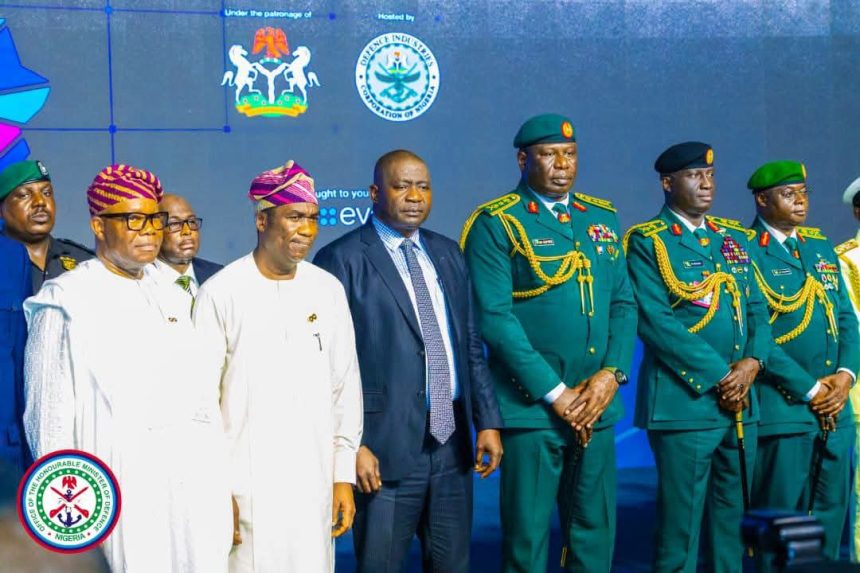
The opening ceremony attracted several prominent personalities from Nigeria’s defence and political establishments, including the Chief of Defence Staff, serving and former service chiefs, and the Chairman of the National Assembly Committee on Defence.
Representatives from more than 20 African countries also attended the event, alongside other government officials and defence stakeholders.
Their participation underscores the international scope of AFRIDEX 2026 and the organisers’ objective of bringing together countries and institutions interested in strengthening defence cooperation and developing industrial capabilities.
The exhibition, which runs from October 26 to 30, is expected to provide opportunities for participants to showcase products, exchange technical knowledge, discuss investment proposals and explore partnerships aimed at advancing defence manufacturing.
Nigeria’s decision to host AFRIDEX 2026 reflects the Federal Government’s ambition to strengthen the country’s defence industry and attract international partnerships that could support domestic manufacturing.
The announcement of plans to begin massive local production of defence hardware within one year represents a significant policy objective, particularly as the government seeks to expand indigenous capabilities and explore opportunities to supply equipment to other African countries.
If implemented effectively, the initiative could create opportunities for local manufacturers, technical professionals, researchers and young innovators to participate in defence-related industrial development.
It could also encourage partnerships between Nigerian companies and international manufacturers in areas such as technical training, research, engineering and the development of relevant technologies.
Nevertheless, achieving the stated production target would require clear implementation plans, investment commitments, adequate infrastructure and sustained coordination among government institutions, defence establishments and private-sector partners.
The exhibition’s outcome will therefore be measured not only by the number of countries and companies participating, but also by the partnerships established, investments secured and practical initiatives developed to strengthen Nigeria’s defence industrial capacity.
As AFRIDEX 2026 continues in Lagos, the Federal Government is seeking to turn international interest into concrete opportunities for local production, technological development and stronger defence cooperation across Africa.