
By Julius Peter, Abuja
The Chairman and Chief Executive Officer of the National Hajj Commission of Nigeria (NAHCON), Ambassador Ismail Abba Yusuf, has explained that the high cost of Hajj pilgrimage for Nigerian Muslims is largely attributable to air transportation, which accounts for almost half of the total Hajj fare.
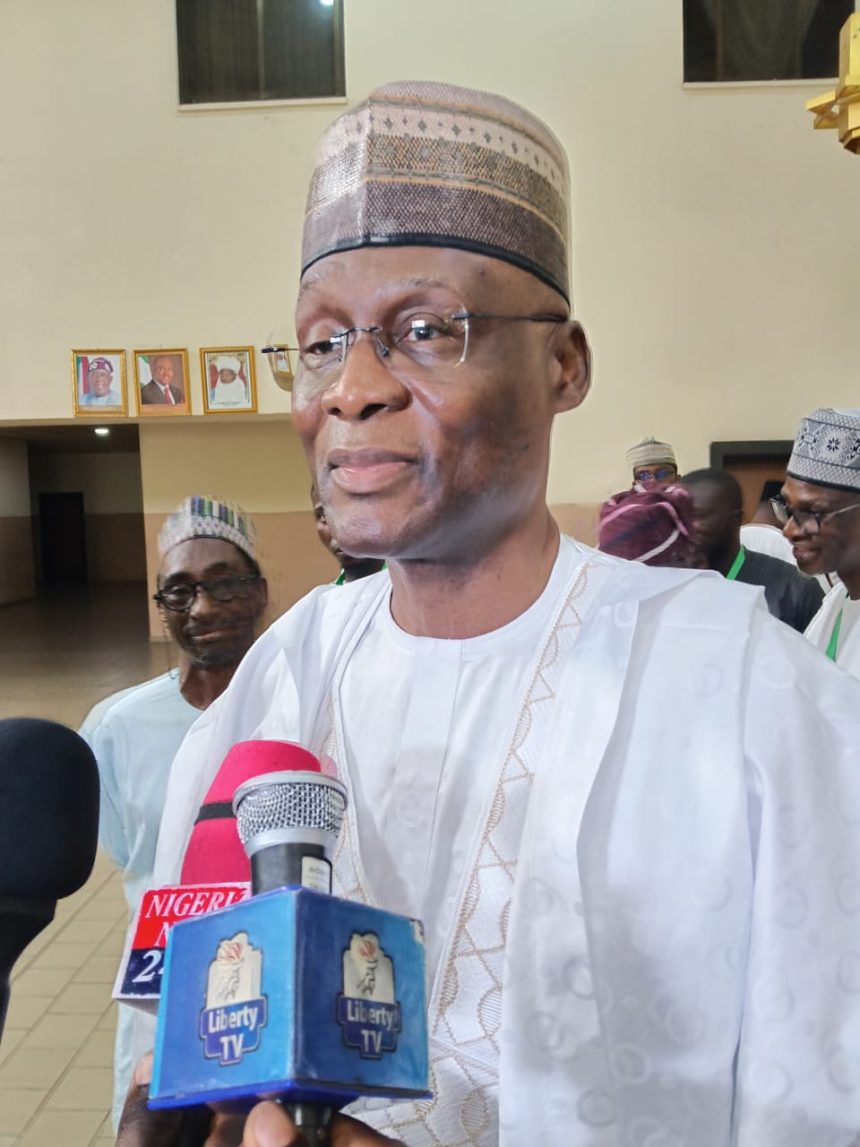
Ambassador Yusuf disclosed this while speaking at the General Assembly and National Prayer for Nigeria organised by the Nigerian Supreme Council for Islamic Affairs (NSCIA), with the theme, “Nigerian Muslims and the Imperative of Nation-Building.”
The NAHCON chairman said the cost of transporting pilgrims by air from Nigeria to Saudi Arabia and back constitutes a significant component of the overall Hajj package, making it difficult to substantially reduce the cost of pilgrimage without addressing the issue of airfare.
According to him, air transportation alone accounts for almost 50 per cent of the total Hajj fare paid by Nigerian pilgrims.
He explained that the cost structure of Hajj involves several components, including transportation, accommodation, feeding and other essential services required during the pilgrimage, but airfare remains one of the most significant cost drivers.
Yusuf said the Commission was exploring measures aimed at improving the efficiency of Hajj operations and reducing avoidable costs, while ensuring that Nigerian pilgrims receive better services throughout the pilgrimage.
He also disclosed that NAHCON was putting mechanisms in place to ensure that Nigeria’s Hajj preparations are properly aligned with the official Hajj calendar of the Kingdom of Saudi Arabia.
The initiative, he said, was designed to enable Nigeria to secure better accommodation, feeding and transportation arrangements for pilgrims by allowing adequate time for negotiations, planning and contracting with service providers in Saudi Arabia.
The NAHCON chief executive explained that Saudi Arabia hosts pilgrims from about 170 countries every year and therefore requires sufficient time to plan and make the necessary arrangements for the large number of pilgrims arriving from different parts of the world.
He stressed that countries that fail to commence their preparations early and align with the Saudi Hajj calendar could find themselves at a disadvantage in securing quality services.
“The message is that Hajj arrangement will only be efficient if we align with the calendar of the host, which is Saudi Arabia. They have 170 countries performing Hajj, and they need one year to prepare,” he said.
According to Yusuf, late preparations could have serious consequences, particularly in areas such as accommodation, feeding and transportation, as service providers would already have committed available facilities and resources to countries that completed their arrangements earlier.
He described early preparation and coordination as critical to ensuring that Nigerian pilgrims receive satisfactory services and that the country is able to secure suitable facilities at reasonable costs.
The NAHCON chairman said the Commission had commenced steps towards synchronising Nigeria’s Hajj planning process with the Saudi Arabian calendar, stressing that the move was part of efforts to improve the overall pilgrimage experience for Nigerian Muslims.
He noted that the success of Hajj operations depended not only on the Commission but also on the cooperation of all stakeholders involved in the pilgrimage process.
These, he said, include state governments, State Pilgrims Welfare Boards and Agencies, tour operators, airlines, service providers and other relevant institutions.
Yusuf further emphasised the importance of proper planning and early decision-making, noting that Hajj is a massive international religious exercise involving millions of pilgrims and complex logistical arrangements.
He said Nigeria must therefore adopt a proactive approach rather than wait until the last minute before commencing preparations.
The NAHCON chairman’s remarks came against the backdrop of concerns among Nigerian Muslims over the rising cost of Hajj and the need to make the pilgrimage more affordable without compromising the quality of services provided to pilgrims.
The annual Hajj exercise requires extensive logistical coordination, including international air transportation, movement of pilgrims within Saudi Arabia, accommodation in Makkah and Madinah, feeding arrangements and other services.
The Commission’s proposed alignment with the Saudi Hajj calendar is expected to provide more time for planning and negotiations, potentially helping to improve service delivery and minimise some of the difficulties associated with late arrangements.
Speaking at the event, which brought together Islamic scholars, leaders and other stakeholders, Yusuf also underscored the broader responsibility of Nigerian Muslims in contributing to national development.
The theme of the NSCIA gathering, “Nigerian Muslims and the Imperative of Nation-Building,” highlighted the need for Muslims to play an active role in promoting peace, unity, patriotism, accountability and development in Nigeria.
The national prayer also provided an opportunity for Muslim leaders and participants to reflect on the challenges facing the country and to pray for peace, stability and prosperity.
Yusuf’s call for early and coordinated Hajj preparations therefore formed part of a wider emphasis on responsible leadership, institutional efficiency and collective action in addressing challenges confronting Nigerian Muslims and the country at large.
He reiterated that NAHCON would continue to work with relevant stakeholders to improve Hajj administration, enhance the welfare of Nigerian pilgrims and ensure that the country’s pilgrimage arrangements meet the required standards.
The Commission’s efforts, he said, are aimed at ensuring that Nigerian pilgrims are not disadvantaged in the highly competitive process of securing accommodation, transportation, feeding and other essential services in Saudi Arabia.
He maintained that effective coordination between Nigeria and the Saudi authorities remained crucial to achieving a smoother, more efficient and better organised Hajj operation.
As preparations for future Hajj exercises continue, the emphasis on early planning, cost management and improved coordination is expected to remain central to efforts to enhance the experience of Nigerian pilgrims and address concerns over the affordability of the annual pilgrimage.