
By Julius Peter
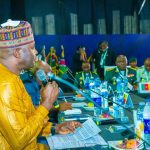
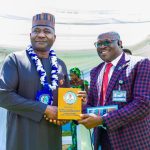
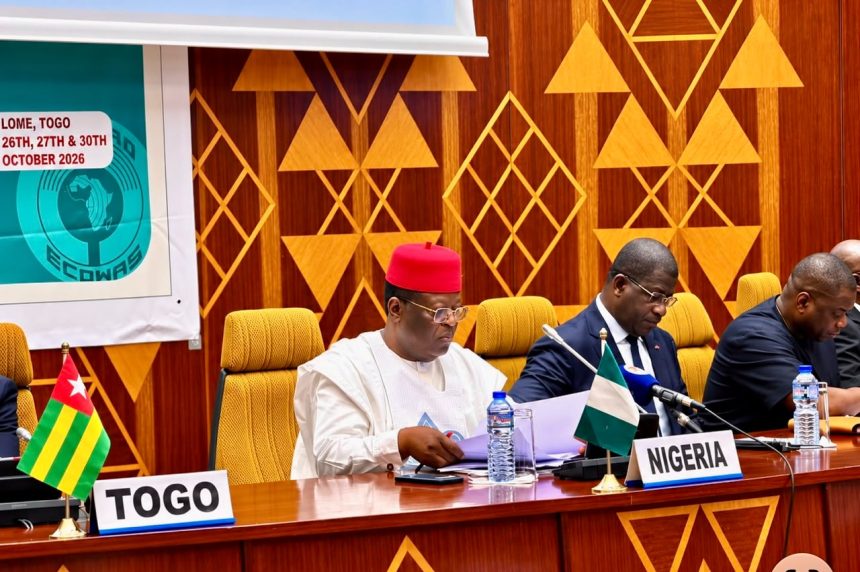
Nigeria’s Minister of Works, Senator David Nweze Umahi, has chaired the 23rd Ministerial Steering Committee Meeting of the Abidjan-Lagos Corridor Highway Development Project in Lomé, Togo, as West African countries intensify efforts to advance one of the region’s most ambitious transport infrastructure initiatives.
The meeting, held on Friday, October 30, 2026, brought together ministers, representatives of participating countries, technical experts and development partners to assess progress on the proposed regional highway and deliberate on critical issues affecting its successful implementation.
Umahi, who serves as Chairman of the Ministerial Steering Committee, is providing leadership in coordinating the participating countries and development partners towards actualising the project, which is expected to strengthen regional connectivity, facilitate international trade and deepen economic integration across West Africa.
The Abidjan-Lagos Corridor Highway Development Project is a major regional infrastructure initiative designed to improve transportation links among countries along the corridor, enhance the movement of people and goods, reduce transportation bottlenecks and promote economic cooperation among participating nations.
The project is also expected to create new economic opportunities, improve access to markets and strengthen the competitiveness of West African economies through an integrated transportation network.
Ahead of Friday’s ministerial meeting, the 23rd Technical Meeting of the Committee of Experts was held on October 26 and 27, 2026, involving project directors, engineers and other technical representatives from participating countries.
The technical experts examined the level of progress across the various components of the project and discussed strategies for accelerating the technical studies necessary for the successful delivery of the highway.
Key issues considered during the technical deliberations included the project’s right-of-way, which is essential for ensuring the availability of land required for construction activities, as well as the continued operationalisation of the Abidjan-Lagos Corridor Management Authority (ALCoMA).
The experts also reviewed progress towards securing investment financing for the project, particularly the role of the African Development Bank (AfDB), which serves as the project’s Mandatory Lead Arranger.
The meeting further considered complementary projects and activities being undertaken by other development partners to support the integrated development of the corridor.
At the ministerial level, the Steering Committee is expected to consider and adopt the report and recommendations submitted by the Committee of Experts, providing an opportunity for ministers to examine outstanding technical issues and agree on practical steps towards accelerating project implementation.
The African Development Bank is also expected to present an update on the status of investment financing mobilisation, in line with its responsibilities as Mandatory Lead Arranger.
The presentation will enable the ministers to assess the progress made in securing the required investment commitments and provide feedback on the actions necessary to move the financing process forward.
Another major item on the agenda is the consideration of reports and recommendations from the first and second meetings of the ALCoMA Board of Directors.
The Board’s submissions are expected to provide further insight into the activities and institutional arrangements required to strengthen the management and coordination of the corridor project.
The Steering Committee will deliberate on the reports and consider relevant resolutions and approvals aimed at improving coordination, strengthening institutional capacity and ensuring sustained progress towards the project’s objectives.
The operationalisation of ALCoMA is particularly important to the long-term success of the initiative, as the authority is expected to provide an institutional framework for managing and coordinating the development of the corridor across participating countries.
The Abidjan-Lagos highway is widely regarded as a strategic regional infrastructure project because of its potential to connect major economic centres and facilitate the movement of goods and services across national boundaries.
Its successful implementation is expected to support regional trade, improve logistics efficiency, reduce travel difficulties and encourage greater private-sector participation in West Africa’s economic development.
The project also aligns with broader regional efforts to promote economic integration, improve cross-border cooperation and establish infrastructure networks capable of supporting sustainable development.
Under President Bola Ahmed Tinubu’s administration, the Federal Ministry of Works, under the leadership of Senator Umahi, has continued to advance infrastructure development as a key instrument for economic growth, national development and regional connectivity.
Umahi’s participation and leadership at the Lomé meeting further underscore Nigeria’s commitment to regional infrastructure cooperation and the development of transportation networks that extend beyond national borders.
Nigeria, as one of the major economies in West Africa, is expected to benefit significantly from improved connectivity along the corridor through enhanced access to regional markets, more efficient transportation of agricultural and industrial products, and expanded opportunities for investment and commerce.
The highway project also presents opportunities for participating countries to strengthen collaboration in infrastructure planning, financing, construction and long-term corridor management.
Observers consider effective coordination among the participating countries, timely completion of technical studies, resolution of right-of-way challenges and successful mobilisation of investment financing as critical factors that will determine the pace of the project’s implementation.
With the 23rd Ministerial Steering Committee Meeting providing an opportunity to review technical recommendations, assess financing arrangements and strengthen the institutional framework, stakeholders are expected to consolidate efforts towards translating the regional infrastructure vision into a practical development reality.
The Lomé meeting therefore represents another important step in the collective efforts of West African countries to advance the Abidjan-Lagos Corridor Highway Development Project and unlock its potential for trade, investment, transportation and shared prosperity across the region.
The statement was issued by Francis Nwaze, FIPMD, Senior Special Assistant to the Honourable Minister of Works (Media), on October 30, 2026.