
By Julius Peter, Abuja
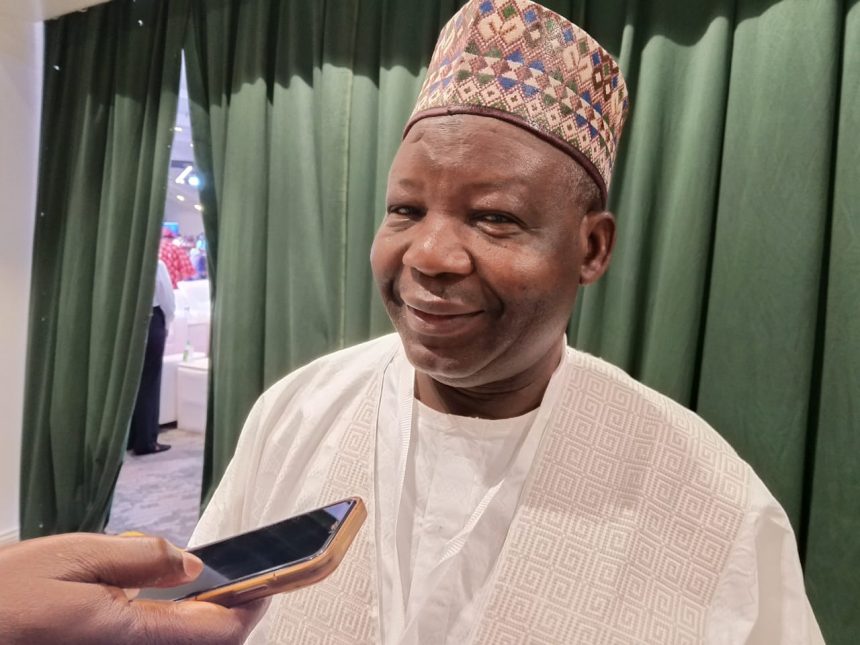
The Sokoto State Commissioner for Health, Dr. Faruk Umar Abubakar, has commended the Federal Government’s ongoing healthcare reforms, saying they are beginning to deliver measurable improvements in Nigeria’s health sector, particularly in maternal healthcare, immunisation and other essential health services.
Abubakar said available health data indicated encouraging progress in key national health indicators, including a decline in maternal mortality and a significant increase in immunisation coverage across the country.
The commissioner made this known while speaking with journalists on the sidelines of the 2026 Joint Annual Review of the health sector, where stakeholders from the Federal and state governments gathered to assess the performance of ongoing health interventions and examine progress towards improving healthcare delivery nationwide.
He attributed the improvements recorded in the sector to the Federal Government’s sustained commitment to healthcare reforms, noting that the impact of the policies was becoming increasingly evident as they moved from the planning and initiation stages to actual implementation.
According to him, the available evidence demonstrates that the reforms are beginning to translate into tangible outcomes, particularly in areas that directly affect the health and survival of mothers, newborns and children.
“I think this is quite interesting because the data has spoken. You have seen the results, from the initiation to the impact and the results,” he said.
The commissioner identified the reduction in maternal mortality as one of the notable developments in the country’s healthcare system, stressing that improvements in maternal health remain critical to achieving better health outcomes and reducing preventable deaths.
He also highlighted the increase in immunisation coverage, describing it as an important indication that efforts to strengthen preventive healthcare services were yielding positive results.
Abubakar specifically noted improvements in immunisation performance across several components, including measles and meningitis, saying the progress reflected ongoing efforts to expand access to vaccines and strengthen the delivery of essential preventive health interventions.
He stressed that effective immunisation programmes remained crucial to protecting children and vulnerable populations against preventable diseases, adding that sustained improvements in vaccination coverage would contribute significantly to reducing disease outbreaks and the burden on the country’s healthcare system.
The Sokoto commissioner further emphasised the importance of maintaining the momentum of the reforms, noting that improvements in health indicators could only be sustained through consistent implementation, effective coordination and stronger collaboration among the different levels of government.
He described the participation of representatives from states across the federation at the 2026 Joint Annual Review as encouraging, explaining that the gathering provided an important platform for evaluating achievements, identifying implementation gaps and sharing experiences on strategies that could further strengthen healthcare delivery.
According to him, the involvement of state-level health officials was particularly important because states play a critical role in translating national health policies and programmes into practical interventions that directly benefit communities.
He noted that regular assessments of the sector would enable stakeholders to determine the effectiveness of ongoing programmes, identify areas requiring additional attention and develop strategies for addressing persistent challenges in healthcare delivery.
Abubakar expressed optimism that continued implementation of the Federal Government’s healthcare reforms would lead to further improvements in maternal and child health, immunisation coverage and access to essential health services.
He urged stakeholders to sustain their commitment to the reform agenda, stressing that stronger collaboration between federal and state authorities would be necessary to consolidate the gains already recorded and ensure that more Nigerians benefit from improved healthcare services.
The 2026 Joint Annual Review provides an opportunity for health sector stakeholders to examine progress, assess the performance of ongoing interventions and strengthen accountability in the implementation of policies aimed at improving Nigeria’s healthcare system.
The encouraging developments highlighted by the Sokoto commissioner underscore the importance of sustained investment, effective policy implementation and collaboration in addressing longstanding challenges in the country’s health sector.