
By Julius Peter, Abuja
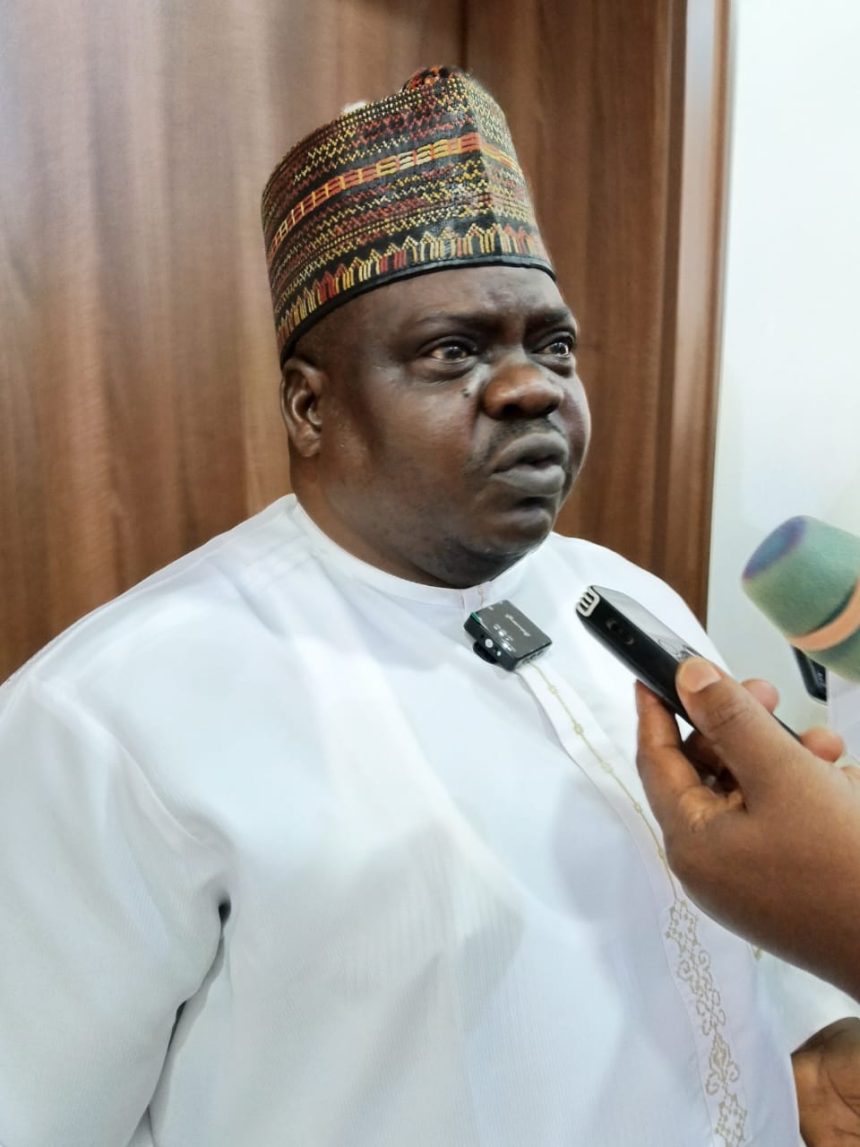
A Professor of Public Administration, Policy Analysis and Leadership Governance at the University of Abuja, Prof. Dahida Philip, has commended the leadership of former Chief of Army Staff, Lt. Gen. Tukur Yusuf Buratai (rtd.), for what he described as transformative measures introduced during his tenure to address insecurity in Nigeria.
Dahida, a former Director of the Abuja Leadership Centre, a TETFund Centre of Excellence in Public Governance and Leadership at the University of Abuja, said Buratai demonstrated an understanding that tackling insecurity required more than military operations, stressing the importance of institutional development and collaboration with communities and traditional authorities.
He made the remarks on Wednesday in Abuja during the public presentation of the book, Military Transformational Leadership in Action: The Buratai Era.
According to him, Buratai, during his tenure as Chief of Army Staff, initiated a number of measures aimed at strengthening the Nigerian Army’s response to the country’s security challenges.
He noted that one of the significant aspects of Buratai’s leadership was the effort to establish and strengthen institutions capable of responding to the multifaceted challenges associated with insecurity.
Dahida also highlighted the importance attached to community engagement during the period, saying that community leaders, traditional rulers and other stakeholders were involved in efforts to address insecurity.
He argued that the country’s security challenges could not be successfully resolved through the efforts of the military alone, noting that insecurity had become a complex national issue requiring collective responsibility.
“The issue of insecurity in this country goes beyond the military. It is a holistic thing, and all of us must have our hands on deck,” he said.
The university don maintained that Nigerians needed to come together to develop sustainable solutions to the security challenges confronting the country.
He said a collaborative approach involving government institutions, security agencies, traditional institutions, community leaders, civil society organisations and ordinary citizens would help address the underlying factors responsible for insecurity.
“If all of us can come together at a round table and address this issue of insecurity, it will become a thing of the past,” he added.
Dahida commended the organisers of the book presentation, describing the initiative as timely and important, particularly because of the need to document and examine leadership experiences in Nigeria’s security sector.
He expressed optimism that the book would provide Nigerians, researchers, policymakers, security professionals and students with useful insights into the leadership approaches and experiences associated with the Buratai era.
He urged Nigerians to study the lessons contained in the book and apply them to contemporary national challenges.
Beyond Buratai’s professional record, the professor also praised what he described as the former Army chief’s lifestyle and urged Nigerians to draw lessons from his personal values and approach to leadership.
He said leadership should not be measured only by positions held but also by the values, discipline, responsibility and contributions that leaders demonstrate while serving the nation.
The event attracted prominent Nigerians from the political, military, traditional and business sectors.
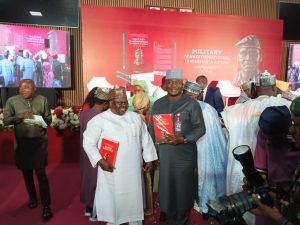
Among those in attendance were representatives of President Bola Ahmed Tinubu; Alhaji Dr. Umar Abdul Mutallab, founder of Jaiz Bank; His Royal Highness Muhammadu Sanusi II, Emir of Kano; the Chief of Defence Staff, Gen. Christopher Musa; the Minister of Defence; politicians, traditional rulers and other stakeholders.
The gathering provided a platform for participants to reflect on military leadership, national security and the broader responsibility of Nigerian institutions and citizens in confronting insecurity.
The presentation of Military Transformational Leadership in Action: The Buratai Era also offered an opportunity for participants to examine the experiences, policies and leadership approaches associated with Buratai’s tenure as Chief of Army Staff and their relevance to Nigeria’s continuing search for sustainable solutions to insecurity.
The contributors and participants at the event emphasised, among other issues, the importance of leadership, institutional capacity, community participation and cooperation among stakeholders in strengthening national security.
The event underscored the view that the fight against insecurity requires a coordinated national effort involving not only security agencies but also political leaders, traditional institutions, communities, academics and other relevant stakeholders.