
By Julius Peter, Abuja
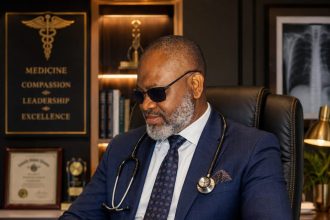
Chief, Amb. Dr. David Ndermen Jacob, Chief Executive Officer of David-Trado Medical Herbal Clinic, has called on Nigerians to pay greater attention to traditional medicine and African diets, saying traditional healthcare practices could complement conventional medicine in addressing some health challenges facing the country.
Jacob made the call while delivering a health lecture at the 1st A.D.O. Abutu Memorial Lecture and Commonwealth Society of Nigeria Investiture, organised in collaboration with the Commonwealth Society of Nigeria and its partners.
The memorial lecture, themed “A.D.O. Abutu’s Legacy in Labour Unionism,” brought together stakeholders, labour leaders, professionals and other members of the public from different fields.
Speaking on the relationship between lifestyle, food consumption and health, Jacob expressed concern over what he described as the increasing abandonment of traditional methods of healthcare and indigenous African diets.
He argued that greater attention should be paid to what Nigerians consume, particularly processed and chemically treated foods, which he said could contribute to health challenges.
According to him, some of the illnesses commonly experienced by Nigerians, including kidney-related diseases, cancer, stroke and diabetes, are associated with dietary and lifestyle factors.
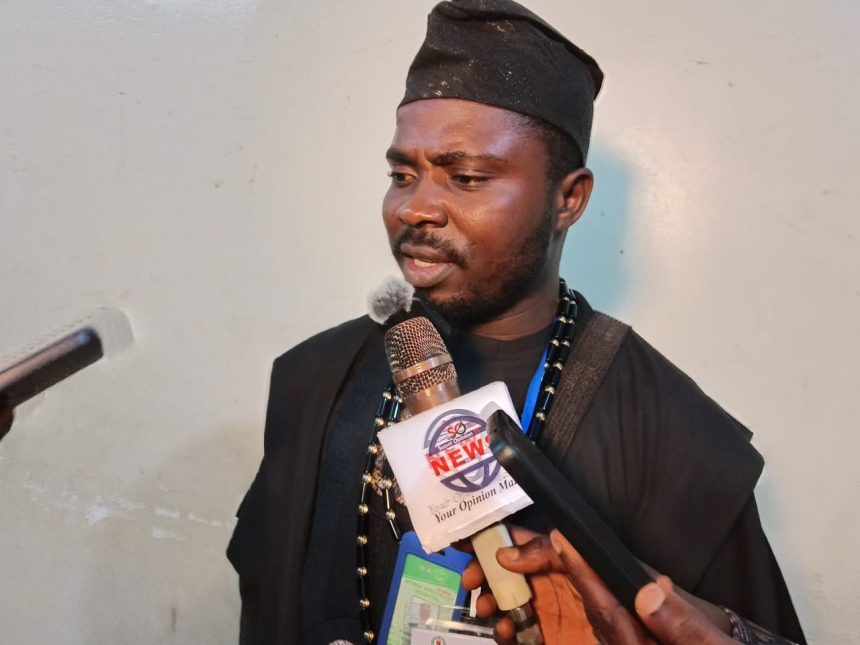
He said, “Most of the cases of kidney issues, cancer, stroke and diabetes are caused by our intake because we have abandoned our traditional way of life.”
Jacob also spoke about the relationship between traditional medicine and modern pharmaceuticals, noting that some medicines used in conventional healthcare are derived from natural substances.
He explained that the difference, in some cases, could involve the way medicinal substances are processed, purified, packaged and administered.
“Some people are taking medical drugs without knowing that they are from herbs. It is natural; it is just the packaging and the way they purify it,” he said.
While expressing concerns about possible side effects associated with some medications, Jacob clarified that he was not condemning conventional medicine.
“I am not condemning any medical drugs, but we cannot do without traditional medicine because traditional methods of treatment today can help in addressing some of the sicknesses we are battling with,” he stated.
He further linked stroke to blockage of blood vessels and attributed what he described as some contemporary health problems to changes in food consumption and what he called “hybrid” or chemically influenced foods.
According to him, Nigerians need to examine the nutritional value and source of the foods they consume and return to healthier indigenous dietary practices.
Jacob also claimed that his clinic had received referrals involving patients with cancer and kidney-related conditions, including cases he said were referred from the National Hospital.
He said some patients had reportedly recorded improvements after receiving treatment at his facility, attributing such outcomes to what he described as the application of traditional medical methods and, ultimately, the intervention of God.
“Some of the cases National Hospital refer to my clinic, with the help of God, they recover, and they will ask me, ‘How did you do it?’” he said.
However, health experts generally advise patients with serious conditions such as cancer, stroke, kidney disease and diabetes to seek qualified medical diagnosis and treatment and to discuss the use of herbal or traditional remedies with healthcare professionals because some herbal preparations can interact with prescribed medicines or have harmful effects.
The traditional medicine practitioner nevertheless called for greater cooperation between conventional and traditional healthcare practitioners, arguing that both systems could contribute to improving healthcare delivery when appropriately regulated and safely integrated.
He expressed optimism about government efforts to strengthen healthcare infrastructure, saying there was a need for additional specialised health facilities in Abuja.
“I am very happy now that the government is responding to the hospitals we are looking for. We must have them here in Abuja as the headquarters,” he said.
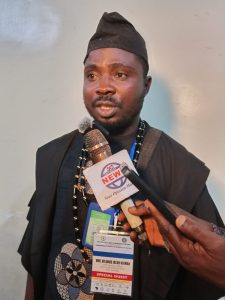
Jacob also appealed to Nigerians to promote African diets and preserve indigenous knowledge of healthcare and wellness.
He urged the public not to completely abandon traditional practices, stressing the need to examine indigenous resources that, according to him, had historically played an important role in African communities.
“Please, don’t ignore tradition. We should promote African diets. Let us embrace what God gives us,” he said.
The 1st A.D.O. Abutu Memorial Lecture and Commonwealth Society of Nigeria Investiture also featured discussions on the legacy of A.D.O. Abutu in labour unionism and attracted union leaders, professionals, community stakeholders and other dignitaries.
The event provided an opportunity for participants to reflect on the contributions of the late labour leader while also discussing contemporary issues affecting society, including healthcare, professional development and the preservation of indigenous values.
The organisers emphasised the importance of remembering individuals who contributed to national development and using their legacies as a platform for dialogue on issues affecting Nigerians.
The health lecture by Jacob added a public-health dimension to the programme, with emphasis on preventive healthcare, responsible dietary choices and the potential role of traditional medicine alongside modern healthcare.
Participants at the event included stakeholders from the labour movement, professionals in different fields and representatives of organisations associated with the Commonwealth Society of Nigeria.