

By Julius Peter, Abuja
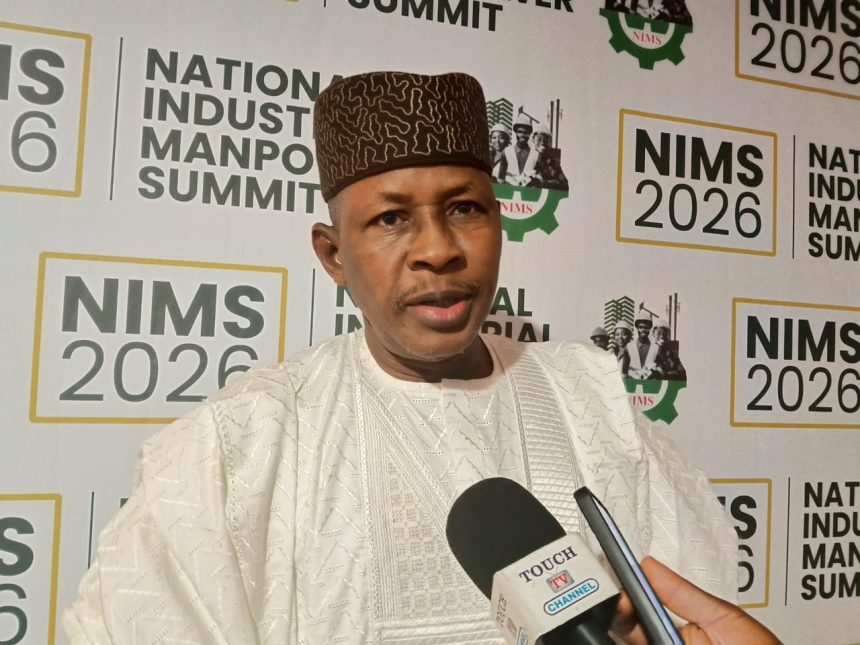
Sabiu Shuaibu has urged Nigerian youths to take advantage of the National Industrial Manpower Summit 2026 by acquiring relevant vocational and professional skills to become self-reliant, support their families and contribute to the country’s economic development.
Shuaibu, who described the summit as a laudable initiative, said the programme provides an important opportunity to empower young Nigerians, promote skills acquisition and ensure that the benefits of democracy reach ordinary citizens.
The summit, themed “Unlocking Nigeria’s Human Capital for Industrial Transformation: Building Skills, Driving Innovation and Creating Prosperity,” focuses on the importance of developing the country’s human capital as a foundation for industrial growth, innovation and sustainable prosperity.
According to Shuaibu, the initiative is particularly significant because it encourages young people to acquire at least two or three practical skills that can enable them to earn a living independently rather than depend entirely on government or formal employment.
He noted that equipping young Nigerians with relevant skills would help them become productive members of society, create employment opportunities for themselves and others, and improve their capacity to provide for their families.
He said the programme reflects the importance of empowering citizens at the grassroots level, stressing that government interventions should have a direct and meaningful impact on the lives of the people.
“The programme is all about empowering the youths and encouraging them to acquire two or three skills so that everybody can benefit from the dividends of democracy. When you have a skill, you can feed yourself and take care of your family,” Shuaibu said.
He explained that investing in young people from an early age would help prepare them for the demands of the labour market and position them to contribute meaningfully to Nigeria’s industrial and economic advancement.
Shuaibu further emphasised that youth empowerment should not be viewed merely as a government programme but as an opportunity for individuals to build a sustainable future through hard work, discipline and the acquisition of marketable skills.
He said the strategy of catching young people early and equipping them with practical knowledge would enable them to recognise the benefits of government policies and programmes in their everyday lives.
According to him, meaningful youth empowerment goes beyond making promises, as it requires providing opportunities that enable young people to develop their abilities, become economically independent and participate actively in national development.
He urged beneficiaries and other young Nigerians to approach skills acquisition with seriousness and commitment, noting that the opportunities provided through such initiatives would only produce meaningful results when participants are ready to learn and apply their knowledge.
“My message to the youths is that they should see skills acquisition as a serious business. They need to acquire at least one or two skills that will enable them to stand on their own and make a living,” he said.
Shuaibu also encouraged young people across the country to embrace vocational training, entrepreneurship and other forms of practical education that could improve their economic prospects.
He observed that a population equipped with relevant skills would be better positioned to support industrial development, stimulate innovation and contribute to the creation of wealth.
He added that if more Nigerian youths became skilled and self-reliant, the country would be better placed to address unemployment, reduce dependency and strengthen its productive capacity.
The summit’s theme underscores the need to align skills development with the requirements of modern industries, while encouraging innovation and creating opportunities for sustainable economic growth.
For Shuaibu, the success of such initiatives will depend largely on the willingness of young people to take advantage of available opportunities and translate the knowledge acquired into productive ventures.
He expressed confidence that sustained investment in human capital development would help Nigeria build a more productive workforce and create a stronger foundation for national progress.
Shuaibu therefore called on Nigerian youths to embrace the initiative, acquire useful skills and apply themselves diligently, stressing that their participation in skills development programmes would benefit not only their individual lives and families but also the country as a whole.
He maintained that empowering the younger generation with practical skills remained a worthwhile investment in Nigeria’s future, adding that a skilled, productive and self-reliant youth population would be better equipped to drive industrial transformation and move the country forward.