
By Julius Peter, Abuja
The Nigeria Customs Service (NCS) has inaugurated a four-week mentoring mission organised by the World Customs Organisation (WCO) to strengthen its capacity to detect, investigate and disrupt illicit financial flows associated with money laundering and the financing of terrorism.
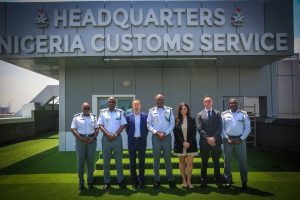
The initiative, themed “Strengthening Nigeria Customs Service Capabilities to Effectively Detect and Disrupt Illicit Financial Flows,” was inaugurated on Monday, October 19, 2026, at the NCS Headquarters in Maitama, Abuja.
Funded by the United States Department of State, the mentoring mission, which commenced on October 18 and will run until November 13, 2026, is designed to enhance the Service’s operational expertise in identifying suspicious cross-border financial transactions and strengthening its response to financial crimes.
The programme will feature visits to selected Customs formations in Lagos and key partner agencies, alongside specialised capacity-building sessions for Customs officers in Lagos and Abuja.
The initiative is expected to improve the ability of Customs personnel to identify financial irregularities associated with cross-border trade, strengthen intelligence gathering and promote closer cooperation among institutions responsible for combating money laundering and terrorism financing.
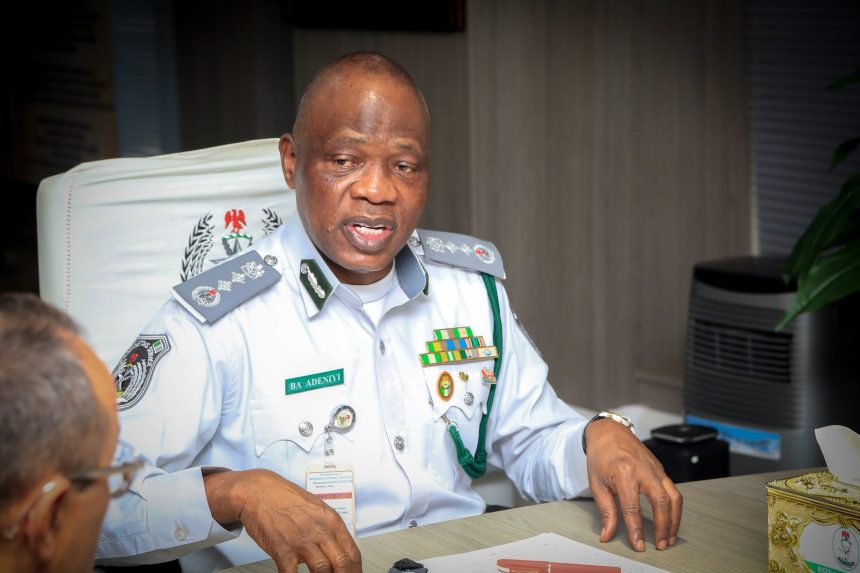
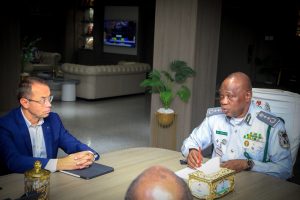
Speaking at the inauguration, the Comptroller-General of Customs, Adewale Adeniyi, emphasised the importance of sustained inter-agency collaboration in tackling financial crimes, noting that effective enforcement requires coordinated action by all relevant institutions.
Adeniyi recalled the reforms implemented by Nigerian government agencies that contributed to the country’s exit from the Financial Action Task Force (FATF) grey list in 2025, describing such progress as an indication of what coordinated institutional efforts could achieve.
He, however, stressed that maintaining the gains recorded would require continuous improvement in the capabilities of all agencies involved in combating money laundering, terrorism financing and other illicit financial activities.
According to him, progress made by one institution must be complemented by similar improvements across other relevant agencies to ensure that criminals do not exploit weaknesses in the country’s financial and border-control systems.
The Customs chief maintained that collaboration, knowledge-sharing and continuous professional development remained essential to building a stronger institutional framework for detecting and disrupting illicit financial flows.
He expressed confidence in the commitment of officers participating in the mentoring programme, assuring the WCO delegation of the Service’s full cooperation throughout the exercise.
“Competent officers who have passion for the job will give you all the cooperation to ensure we learn from other Customs administrations regarding what we are doing and how we can do better,” Adeniyi said.
He noted that the engagement would provide an opportunity for Nigerian Customs officers to learn from international experiences, examine existing practices and identify areas where operational procedures could be strengthened.
The Comptroller-General’s remarks underscored the Service’s determination to improve its contribution to the national effort against financial crimes through enhanced technical knowledge, institutional partnerships and the adoption of effective international practices.
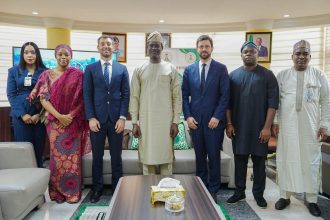
Following Adeniyi’s address, the Assistant Comptroller-General of Customs in charge of Strategic Research and Policy, Nafiu Isiaku, introduced the WCO delegation comprising Jorge Lasmar, Lisa Vallese and Laurent Szymkowiak.
Speaking on behalf of the delegation, Lasmar explained that the mission was designed primarily to strengthen the operational capacity of the Nigeria Customs Service rather than assess its existing operations.
He said the programme would provide a platform for constructive engagement, professional exchange and the identification of opportunities to improve the Service’s effectiveness in addressing money laundering and terrorism financing.
“The mission is not an assessment of Customs operations, but an engagement aimed at further strengthening the capacity of the Nigeria Customs Service,” Lasmar said.
He thanked the NCS leadership, particularly the Comptroller-General, for the guidance and cooperation extended to the delegation, expressing the team’s commitment to ensuring that the exercise achieved its intended objectives.
Lasmar also assured the Service that the WCO team would submit a comprehensive report at the conclusion of the mentoring mission.
The report is expected to document the outcomes of the engagement and provide relevant insights to support the Service’s continuing efforts to strengthen its operational capacity in combating illicit financial activities.
The four-week programme will bring the WCO experts into direct engagement with selected Customs formations and relevant partner institutions, providing opportunities to share technical knowledge, exchange experiences and strengthen coordination in the fight against financial crimes.
The training sessions in Abuja and Lagos are also expected to equip participating officers with improved knowledge and practical approaches for identifying suspicious activities, recognising indicators of illicit financial flows and enhancing responses to emerging financial crime threats.
Money laundering and the financing of terrorism remain major concerns for law enforcement and border management agencies because illicit funds can move across jurisdictions through complex transactions and trade-related activities.
Customs administrations occupy an important position in addressing these threats because of their responsibilities for monitoring cross-border trade, enforcing customs regulations and identifying suspicious activities associated with the movement of goods and other trade-related transactions.
Strengthening the capacity of Customs officers to recognise and respond to such activities can therefore contribute to broader national efforts to protect the financial system, improve border security and prevent the abuse of legitimate trade channels for criminal purposes.
The engagement also highlights the importance of international cooperation in confronting financial crimes that frequently extend beyond national borders and require information-sharing and coordinated enforcement among multiple jurisdictions.
For Nigeria, the mentoring mission comes against the backdrop of efforts to consolidate the progress achieved through reforms aimed at strengthening the country’s anti-money laundering and counter-terrorism financing framework.
The country’s removal from the FATF grey list in 2025 followed reforms and measures aimed at addressing identified deficiencies in its framework for combating money laundering and terrorism financing.
Sustaining such progress requires continued vigilance, stronger institutional capacity and effective implementation of measures designed to detect suspicious transactions and prevent criminal exploitation of the financial system.
The NCS-WCO engagement is expected to contribute to these efforts by deepening technical expertise within the Service and encouraging stronger working relationships with other agencies involved in combating illicit financial activities.
Through the mentoring mission, the Nigeria Customs Service is seeking to strengthen its contribution to the national and international fight against money laundering and terrorism financing while improving its ability to detect and disrupt illicit financial flows.
The success of the exercise will depend on how effectively the knowledge acquired is translated into improved operational practices, stronger intelligence-led enforcement and sustained collaboration with relevant domestic and international partners.