
By Julius Peter, Abuja
The Federal Government has renewed its commitment to strengthening bilateral cooperation with the European Union (EU) in key areas of poverty reduction, skills development, humanitarian assistance and safe migration, as part of efforts to promote sustainable development and improve the living conditions of Nigerians.
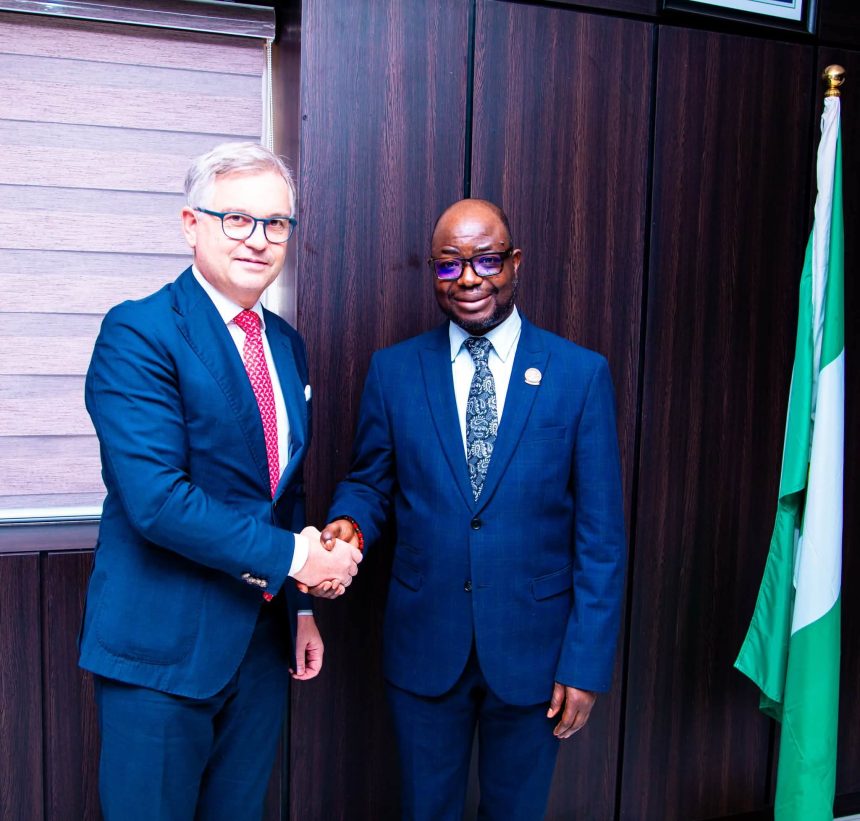
The commitment was reaffirmed when the Minister of Humanitarian Affairs and Poverty Reduction, Dr. Bernard M. Doro, received the European Commissioner for Internal Affairs and Migration, His Excellency Magnus Brunner, during a high-level engagement aimed at advancing cooperation and exploring new opportunities for mutual development between Nigeria and the European Union.
The meeting provided an opportunity for both parties to explore areas of common interest and strengthen existing relations, particularly in addressing humanitarian challenges, reducing poverty, creating economic opportunities and improving migration management.
At the centre of the discussions was the need to deepen collaboration in tackling poverty through sustainable interventions that empower vulnerable populations, enhance livelihoods and equip young Nigerians with relevant skills to participate meaningfully in the economy.
The engagement also underscored the importance of skills development as a critical instrument for addressing unemployment, promoting self-reliance and creating pathways to economic inclusion, particularly among young people and vulnerable communities.
For Nigeria, strengthening cooperation with the European Union in this area is expected to provide opportunities for knowledge exchange, technical support and the development of programmes that can improve access to vocational training, entrepreneurship and employment opportunities.
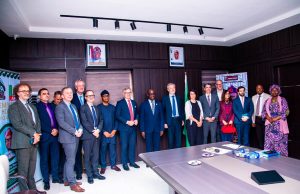
On humanitarian assistance, both sides recognised the importance of sustained partnerships in strengthening the country’s capacity to respond to humanitarian needs, support vulnerable populations and promote effective poverty reduction initiatives.
The partnership is particularly significant as Nigeria continues to address various humanitarian and socioeconomic challenges, including displacement, food insecurity, unemployment and the vulnerability of communities affected by emergencies.
The discussions also placed emphasis on safe migration, an important area of cooperation between Nigeria and the European Union.
Effective migration management requires a coordinated approach that promotes safe, orderly and regular migration while addressing the risks associated with irregular migration, human trafficking and migrant smuggling.
Through stronger cooperation, Nigeria and the EU can explore opportunities to improve awareness, promote legal migration pathways, protect the rights and dignity of migrants and strengthen reintegration support for Nigerians returning from abroad.
The engagement further reflects the growing importance of international partnerships in addressing development challenges that transcend national boundaries.
For the Federal Ministry of Humanitarian Affairs and Poverty Reduction, collaboration with international development partners remains an important strategy for strengthening institutional capacity, expanding the reach of humanitarian interventions and ensuring that poverty reduction programmes deliver measurable benefits to Nigerians.
Dr. Doro’s meeting with Commissioner Brunner therefore represents an opportunity to consolidate existing areas of cooperation while identifying new avenues for practical engagement in support of Nigeria’s development priorities.
The European Union remains an important development partner to Nigeria, with cooperation spanning humanitarian assistance, economic development, governance, migration management and social protection.
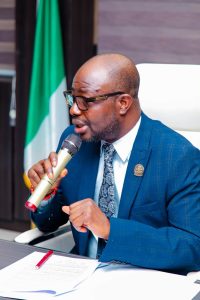
The renewed engagement is expected to contribute to stronger institutional relationships and provide a foundation for further discussions on programmes that can deliver sustainable benefits to both parties.
Ultimately, the partnership reflects a shared recognition that poverty reduction, humanitarian support, skills development and safe migration are interconnected priorities that require coordinated action, sustained investment and strong international cooperation.
As Nigeria continues its efforts to build a more inclusive and resilient society, deeper engagement with the European Union is expected to create additional opportunities for addressing humanitarian needs, empowering vulnerable populations and advancing sustainable development.