
By Julius Peter, Abuja
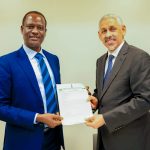
Nigeria’s Minister of Finance and Coordinating Minister of the Economy, Taiwo Oyedele, and the Governor of the Central Bank of Nigeria (CBN), Olayemi Cardoso, have met with the President of the World Bank Group, Ajay Banga, to discuss the country’s economic reform progress and strategies for translating macroeconomic stability into faster economic growth, increased private investment and improved living standards.
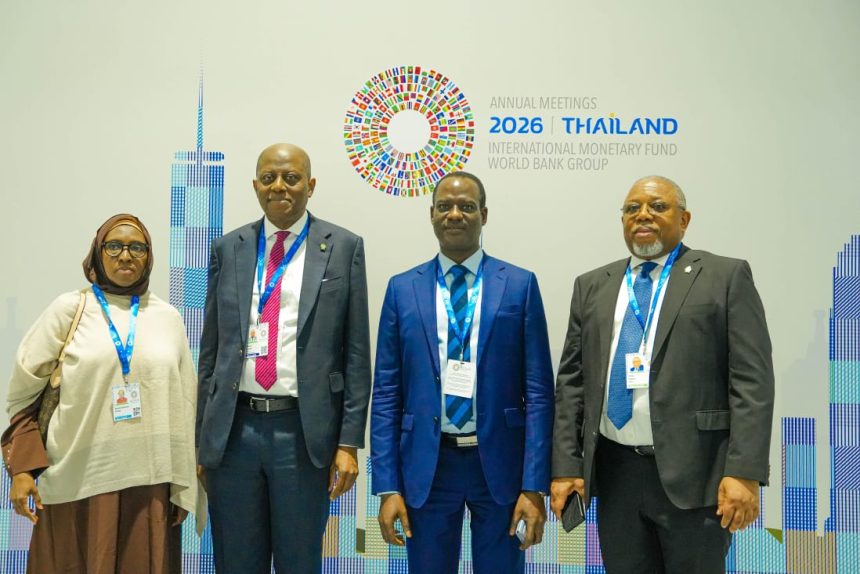
The meeting, held on Monday, October 12, on the sidelines of the 2026 Annual Meetings of the International Monetary Fund (IMF) and the World Bank Group in Bangkok, Thailand, focused on the next phase of Nigeria’s economic reform agenda.
Oyedele is leading Nigeria’s delegation to the international meetings, which provide a platform for policymakers, financial institutions and development partners to deliberate on global economic challenges, investment opportunities and strategies for sustainable development.
According to a statement issued by Efe Ovuakporie, Head of Media at the Federal Ministry of Finance, the discussions centred on consolidating the gains of ongoing reforms and ensuring that improvements in Nigeria’s economic fundamentals translate into productive investments, employment opportunities and better welfare for citizens.
During the meeting, Banga commended the progress recorded by Nigeria under its ongoing economic reforms, particularly the significant increase in private capital inflows into the country.
He noted that private capital inflows had risen from approximately $300 million in 2023 to nearly $6 billion in 2026, representing an almost twentyfold increase over the period.
The development was highlighted as an indication of improving investor confidence and the potential for Nigeria to attract more domestic and international capital to support economic expansion.
The World Bank president’s remarks underscored the importance of sustaining reforms that strengthen macroeconomic stability, improve the investment climate and create an enabling environment for private-sector participation in critical sectors of the economy.
In his response, Oyedele highlighted the country’s improving economic growth outlook and progress in domestic revenue mobilisation, noting that Nigeria’s tax-to-gross domestic product (GDP) ratio had increased from approximately seven per cent to 12.5 per cent between 2023 and 2026.
The minister explained that the increase in the tax-to-GDP ratio had expanded the government’s capacity to finance public investment and meet its development obligations without relying excessively on deficit monetisation.
Deficit monetisation, which involves financing government deficits through the creation of new money, can put additional pressure on inflation and macroeconomic stability when used excessively.
The improvement in tax revenue mobilisation is therefore expected to strengthen the government’s fiscal position and provide greater room for funding essential infrastructure, social services and other development priorities.
However, the discussions also highlighted the need to ensure that increased government revenue translates into tangible benefits for Nigerians through effective public spending and carefully targeted investments.
A major issue discussed at the meeting was how Nigeria could make greater use of the World Bank Group’s guarantee instruments to mobilise additional financing for critical infrastructure and attract more private capital into the domestic economy.
Guarantees provided by multilateral development institutions can help reduce investment risks, improve financing conditions and encourage private investors and lenders to support projects that might otherwise struggle to secure funding.
For Nigeria, greater use of such instruments could create opportunities to finance infrastructure projects while reducing the pressure on public finances.
The approach is particularly relevant as the Federal Government seeks to expand investment in sectors that are essential to economic competitiveness, productivity and job creation.
By leveraging development finance institutions and private-sector funding, the government hopes to widen the pool of resources available for infrastructure development and accelerate the implementation of projects capable of supporting long-term economic growth.
The meeting also provided an opportunity for Nigerian officials to explore ways of strengthening cooperation with the World Bank Group in mobilising financing for projects that align with the country’s development priorities.
Power infrastructure and human capital development were identified as priority areas requiring sustained public investment because of their direct impact on business competitiveness, productivity and employment generation.
Inadequate and unreliable electricity supply has remained a major concern for businesses operating in Nigeria, with many enterprises depending on alternative power sources to sustain their operations.
The high cost of electricity generation and other operating expenses can constrain business expansion, increase production costs and weaken the competitiveness of Nigerian-made goods and services.
Continued investment in power infrastructure is therefore considered essential to improving the business environment, supporting industrial activities and encouraging local and foreign investors to establish or expand operations in the country.
Improved electricity supply could also help small and medium-sized enterprises reduce operating costs, increase production capacity and create additional employment opportunities.
Similarly, investment in human capital remains important to developing a productive workforce capable of meeting the demands of a growing economy.
Human capital development encompasses investments in education, healthcare, skills acquisition and other interventions that improve the capacity of individuals to participate effectively in economic activities.
For Nigeria, sustained investment in these areas could strengthen labour productivity, improve workforce competitiveness and expand opportunities for young people entering the labour market.
The discussions reinforced the need for public investment to focus on sectors capable of generating broad economic benefits and supporting sustainable growth.
Beyond increasing revenue and attracting private capital, the meeting stressed the importance of improving the quality and efficiency of public expenditure.
The participants emphasised that government spending should deliver measurable economic and social returns, ensuring that every naira allocated to public projects contributes meaningfully to national development.
This places a premium on effective project selection, transparent procurement, proper implementation, monitoring and evaluation, as well as accountability in the use of public resources.
The emphasis on spending efficiency is particularly significant as Nigeria seeks to address infrastructure deficits and other development challenges while managing competing demands on limited public funds.
Higher revenue alone may not produce the desired development outcomes if resources are not allocated to productive priorities or projects fail to deliver their intended benefits.
Consequently, strengthening public financial management and ensuring that spending translates into improved services and infrastructure will be crucial to sustaining the gains of the country’s economic reforms.
The focus on value for money also reflects the need to ensure that public investment complements private-sector activity rather than placing unnecessary pressure on government finances.
The meeting between Oyedele, Cardoso and Banga reflects the Federal Government’s broader efforts to deepen engagement with international development partners and consolidate the gains of its economic reform programme.
While macroeconomic stability remains an important foundation for sustainable development, the next phase of the reform agenda will depend on the government’s ability to translate improved economic fundamentals into higher productivity, greater investment and more employment opportunities.
For Nigerians, the ultimate test of the reforms will be their impact on household welfare, business activities, access to essential services and the overall cost of living.
The increase in private capital inflows and the reported improvement in the tax-to-GDP ratio represent developments that the government hopes to build upon as it pursues a stronger and more resilient economy.
Nevertheless, sustaining investor confidence will require continued policy consistency, improved infrastructure, an efficient regulatory environment and measures that encourage businesses to invest and expand their operations.
The ability to mobilise long-term financing for power, transport, healthcare, education and other productive sectors will also be important in determining how quickly economic improvements translate into broader development outcomes.
Through continued collaboration with the World Bank Group and other development partners, the Federal Government aims to strengthen the foundations for investment-led growth while ensuring that public resources are deployed more effectively.
The Bangkok meeting therefore forms part of Nigeria’s ongoing efforts to move beyond stabilisation towards a growth phase driven by productive investment, stronger domestic revenue generation, infrastructure development and private-sector participation.
As the country pursues this transition, the central challenge will be ensuring that the progress recorded in macroeconomic indicators leads to more jobs, expanded business opportunities and improved living standards for Nigerians.