

By Julius Peter
The Economic and Financial Crimes Commission (EFCC) has recovered more than N1.23 trillion and $684 million in proceeds linked to financial crimes within the past 33 months, Chairman of the commission, Ola Olukoyede, has disclosed.
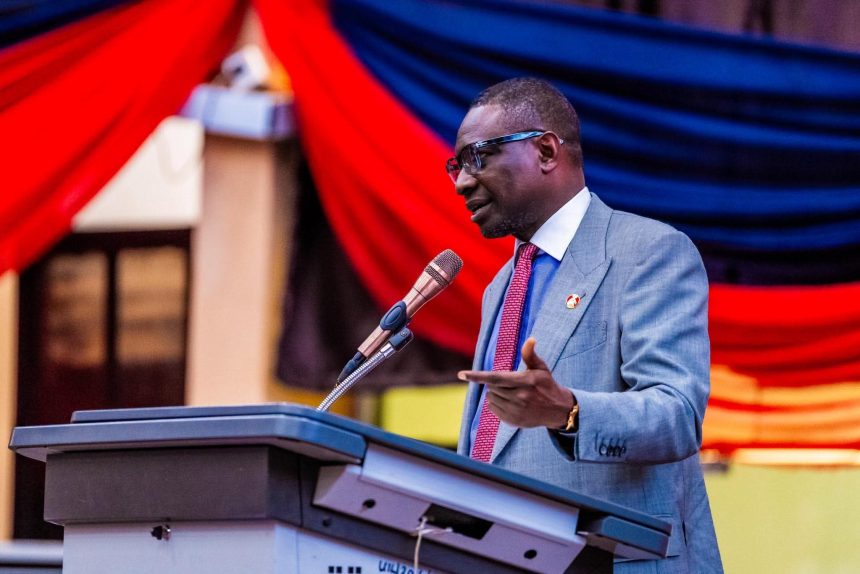
Olukoyede made the disclosure on Monday in Abuja while briefing journalists on the achievements of the anti-graft agency under his leadership.
The EFCC chairman said the recoveries formed part of the commission’s intensified efforts to combat corruption, money laundering, cybercrime, fraud and other forms of economic and financial crimes in the country.
According to him, the figures represent the outcome of sustained investigations, prosecutions, asset recovery operations and other enforcement measures undertaken by the commission since he assumed office.
Olukoyede said the EFCC had remained committed to strengthening its institutional capacity and deploying modern investigative techniques to track illicit funds and ensure that individuals and organisations involved in financial crimes are brought to justice.
He stressed that the fight against corruption required not only the recovery of stolen funds but also effective prosecution and the prevention of future financial crimes.
The EFCC chairman noted that the commission had continued to expand its investigative reach, particularly in the areas of cybercrime, money laundering, public-sector corruption and other emerging forms of financial crime.
He said the agency’s approach under his administration had focused on improving the speed and effectiveness of investigations while strengthening collaboration with relevant government institutions and international partners.
Olukoyede also underscored the importance of technology in the fight against economic and financial crimes, noting that criminals were increasingly using sophisticated digital platforms and financial channels to conceal and move illicit proceeds.
He said the EFCC was therefore investing in technology, intelligence gathering and specialised investigative capabilities to keep pace with the changing nature of financial crimes.
The chairman maintained that asset recovery remained an important component of the commission’s mandate, stressing that criminals should not be allowed to enjoy the proceeds of their illegal activities.
He explained that recovering illicit assets would help deter prospective offenders and reinforce public confidence in the government’s anti-corruption campaign.
Beyond recoveries, Olukoyede said the commission had continued to pursue criminal cases through the courts, insisting that successful prosecution remained critical to achieving sustainable results in the fight against corruption.
He called for greater public support and cooperation in the fight against economic and financial crimes, saying the responsibility of combating corruption should not be left entirely to law enforcement agencies.
The EFCC chairman’s latest disclosure comes as the commission continues to intensify its activities against financial crimes across the country.
The recovery of more than N1.23 trillion and $684 million in 33 months represents a significant financial outcome for the commission, although the EFCC has repeatedly stressed that the value of the anti-corruption fight should also be measured by successful prosecutions, deterrence, institutional reforms and prevention.
Olukoyede reaffirmed the commission’s determination to strengthen its operations and ensure that Nigeria’s financial system is protected from activities capable of undermining the economy.
He said the EFCC would continue to pursue individuals and entities suspected of engaging in economic and financial crimes, while ensuring that investigations are conducted professionally and in accordance with the law.
The chairman further assured Nigerians that the commission would remain focused on its statutory mandate and would continue to deploy available resources to protect the country’s economic interests.
He urged Nigerians to support the commission’s anti-corruption efforts by providing useful information on suspected financial crimes and resisting practices that facilitate corruption and illicit financial activities.
Olukoyede said the EFCC would not relent in its efforts to recover proceeds of crime and strengthen the fight against corruption as part of broader efforts to promote accountability, transparency and economic development in Nigeria.